Doroshenka Street, 9 is a residential building and one of the earliest Art Nouveau tenement houses in Lviv, constructed at the turn of the 20th century for the entrepreneur Herman Bak. It was built in 1899–1900 according to a design by the Lviv architect Alfred Zakharievych (according to some sources, Ivan Levynskyi).
Originally, the building had three storeys; a fourth floor was added in 1927, when the owner was the entrepreneur Edmund Stromenger. Throughout the 20th century, especially during the interwar period, the ground floor accommodated various shops, including a typewriter store and a jewelry shop.

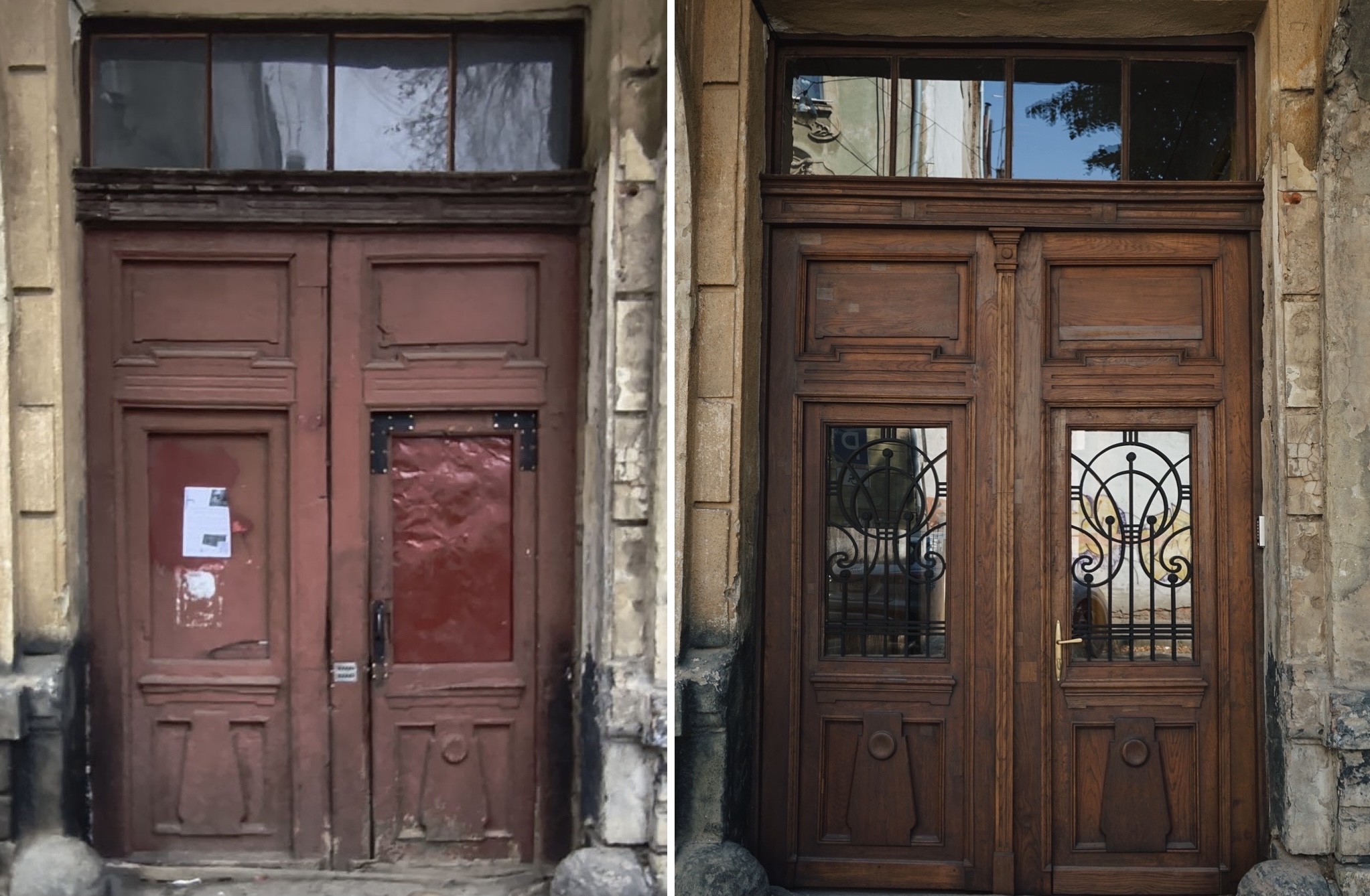
Initially three-storey, the addition of the fourth floor in 1927 slightly altered the silhouette but did not destroy the stylistic integrity of the building. The façade is designed in a restrained, “rational” Art Nouveau manner: the lower floors are emphasized with rustication, creating a sense of a solid base, while the upper tiers are lighter and more plastic. The overall composition is symmetrical, yet the entrance is shifted off the central axis—an approach typical of Art Nouveau’s departure from academic rigidity.
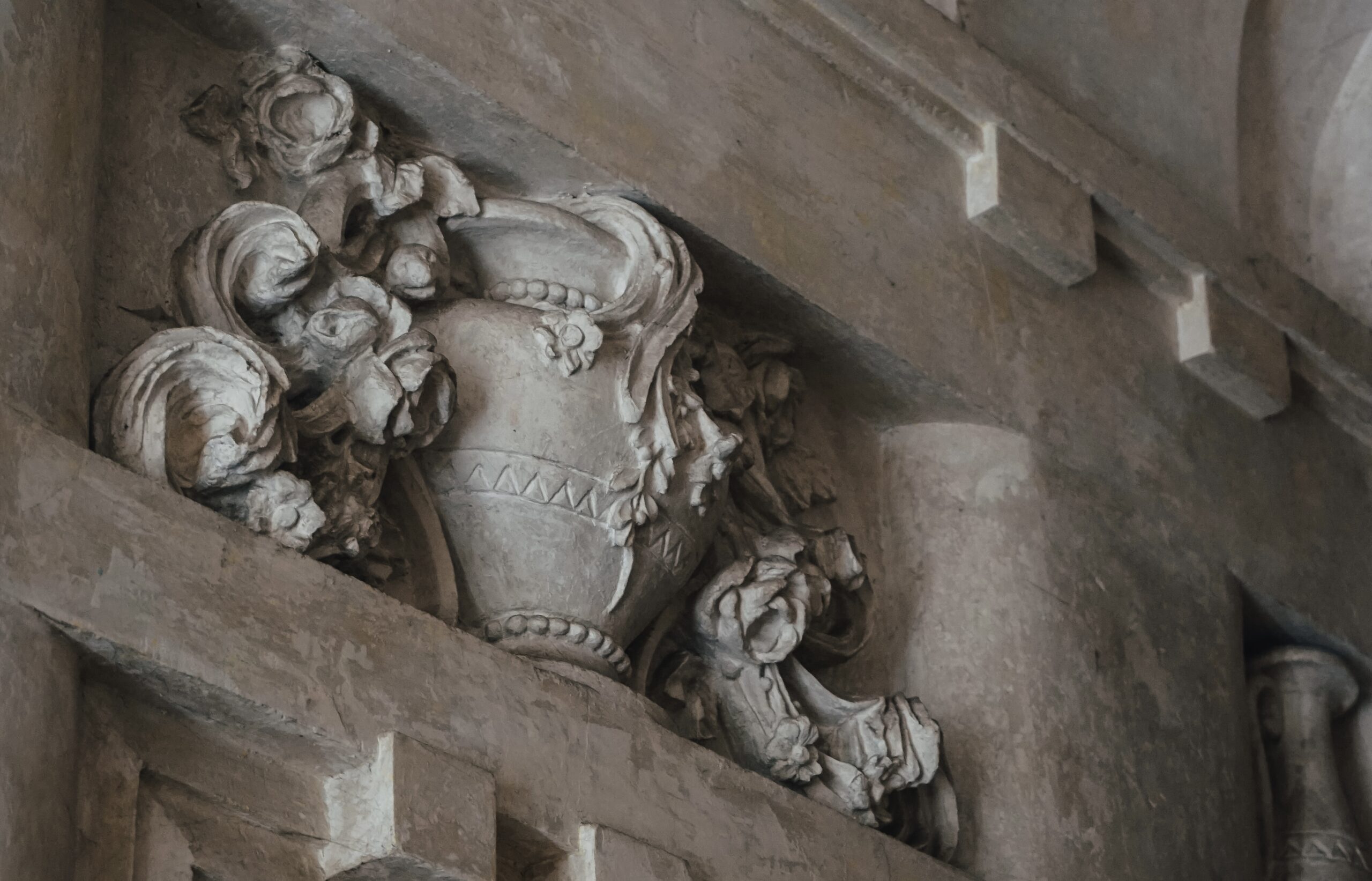
The vertical rhythm of the façade is shaped by pilasters decorated with palmettes and stylized torches, while the third-floor windows, with softly rounded corners and plant motifs in their frames, lend the building its characteristic “organic” quality. The enfilade layout of the interior reflects the residential function of early 20th-century tenement houses.
In the urban context, the building is an important element in the formation of Doroshenka Street as a modern thoroughfare, where Art Nouveau marked Lviv’s transition from the historicism of the 19th century to the more plastic and decoratively rich architecture of the early 20th century. In this part of the city, Art Nouveau emphasizes plant ornaments, fluid forms, and decorative details that contrast with the stricter styles of the preceding era.