Walking along Melnyka Street, it’s hard not to notice the villa with its high roof and distinctive decorative elements. The house was built in 1905 by architect August Bohokhvalsky at the request of Ludwik Heller, the director of the Grand City Theatre, and his wife. Recently, it suffered damage from a missile strike on the city.
The villa’s owner, Ludwik Heller, was a prominent figure in the cultural life of Lviv. He began by writing theatre reviews and later became one of the most influential cultural leaders in the city. He managed the Skarbek Theatre, now known as the Lviv National Drama Theatre named after Maria Zankovetska, and founded the Lviv Philharmonic. Eventually, he became the director of the Grand City Theatre, now the Lviv National Opera, actively contributing to the cultural development of the city. His wife, Iryna Bohuss-Heller, was a renowned opera singer, further elevating the couple’s status.


Architect August Bohokhvalsky arrived in Lviv in 1890 with ambitions to become one of the city’s leading architects. After five years of effort and obtaining a patent, he opened his own firm and began working on various projects in Art Nouveau, historicism, and folk architecture styles. The “Sunny Villa” became a unique project for him, executed in the Zakopane style, which was not typical for his other works.

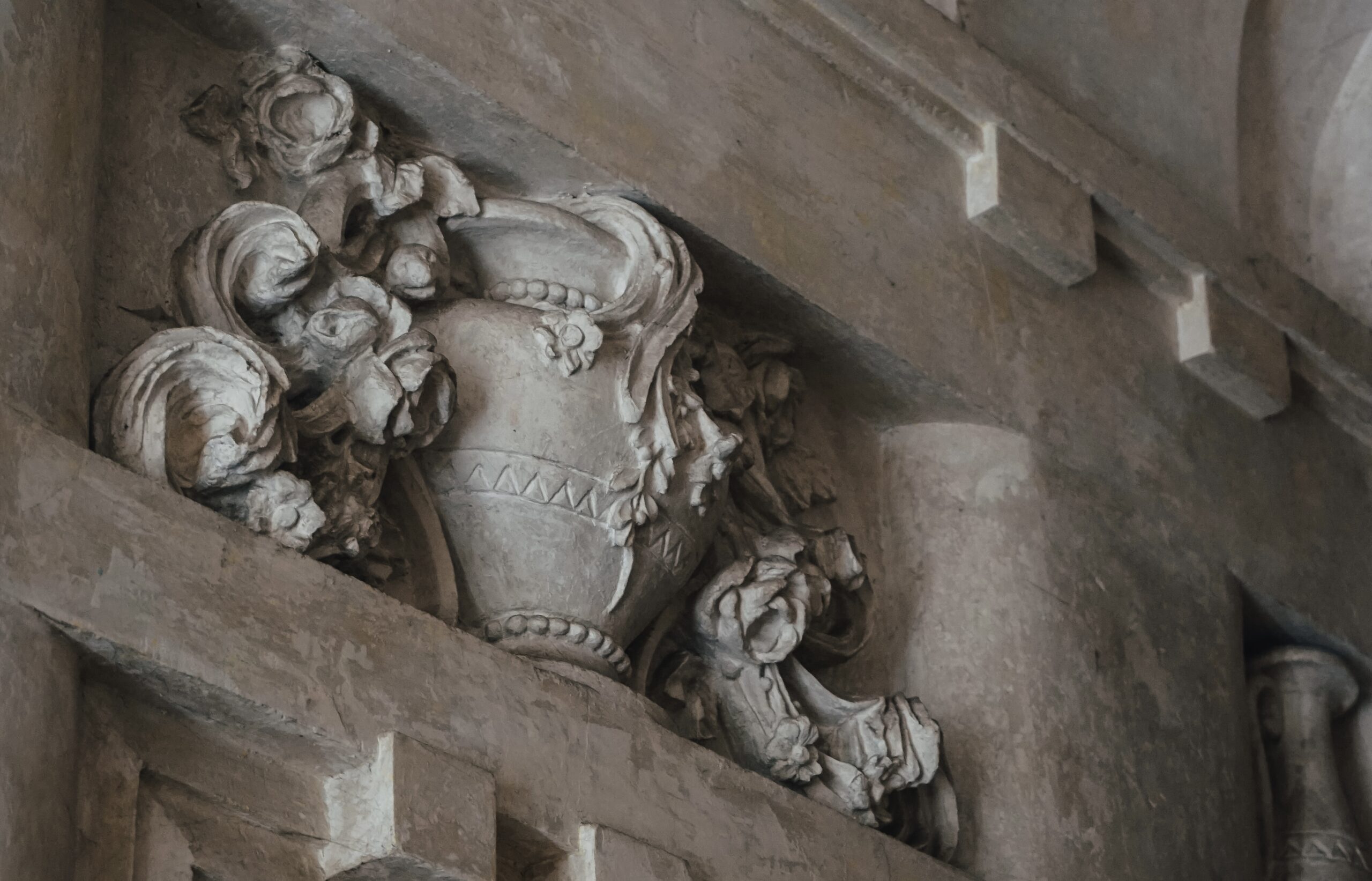
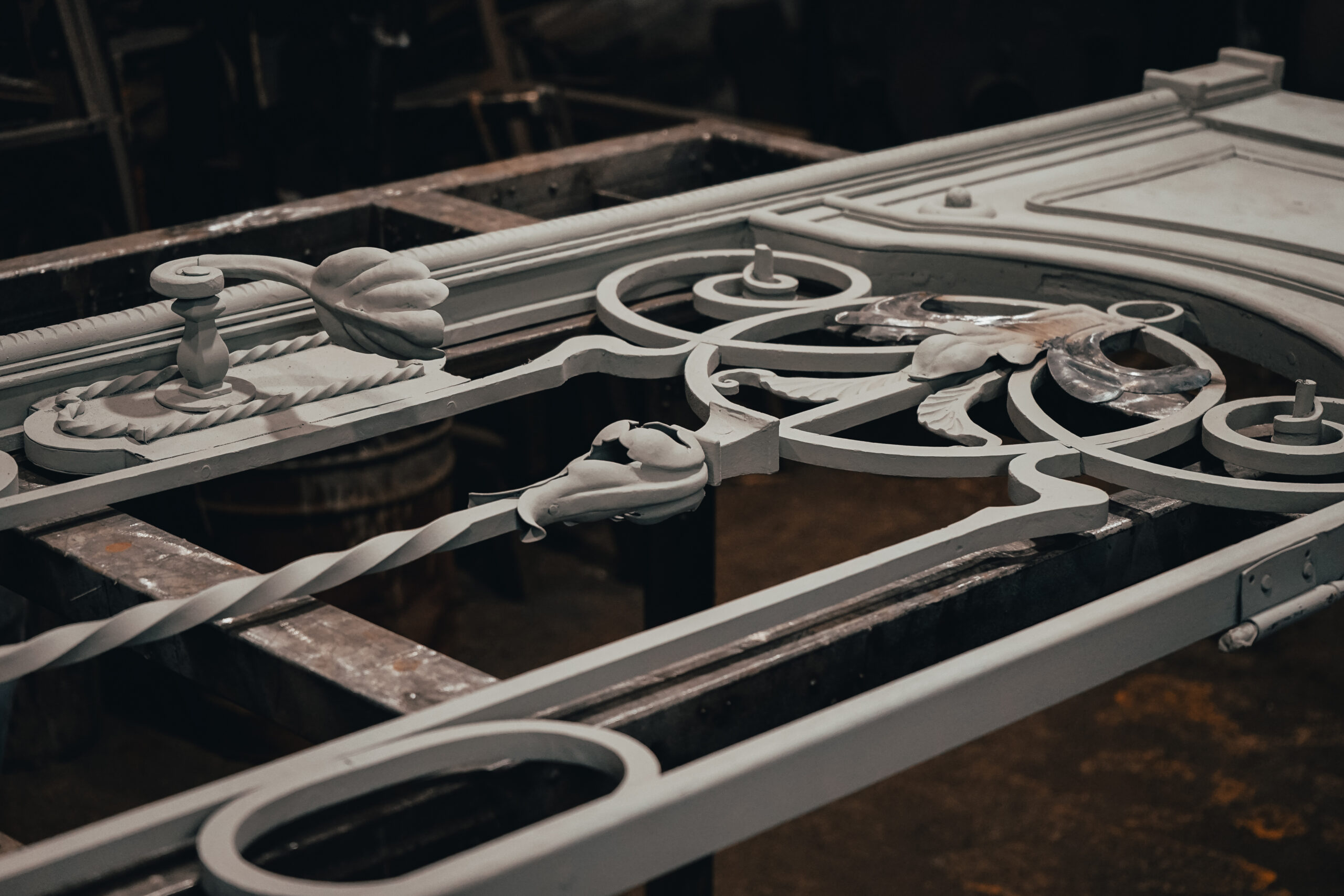
The Zakopane style, inspied by the traditions of Carpathian architecture, assumed the use of wooden elements, high roofs and decorative carvings. However, the architect added unusual solutions for this style, for example, decorating the facade with wooden brackets and decorative elements symbolizing the sun. The structure of the villa is asymmetrical, here you can see a beautiful carved veranda, interesting window framing, forged elements, wooden staircase. The villa also has a high roof covered with tiles, which gives it a resemblance to Carpathian building.
Due to its architectural features and decorative elements, the villa was called “Sonyachna” or “Sun” among Lviv residents.
Bohokhvalsky also designed several residential buildings in the Art Nouveau style on streets such as Dontsova, 16; Franka, 84; Rustaveli, 32; Hlyboka, 4-12; and Yefremova, 27-33, among others. He also created public buildings, including the Hotel Austria (12-14 Kniazia Romana Street) and the T. Kosciuszko School (9 Zamknena Street). Unfortunately, many of his projects remained unrealized, including a synagogue in Lviv and a church in Ternopil, due to his untimely death.
As a result of the Russian missile strike on September 4th, approximately 188 buildings in Lviv were damaged, including at least seven local architectural landmarks and many historically significant buildings located in the UNESCO historical zone and buffer area. One of them is the “Sunny Villa.”

The roof of the building was the most affected, due to the shock wave, part of the authentic tiles was damaged. On the facade, you can see traces of debris, window and door structures are deformed, and the glazing is broken.

Currently, Lviv is continuing to deal with the aftermath of the missile strike, with emergency services conducting restoration and repair work.