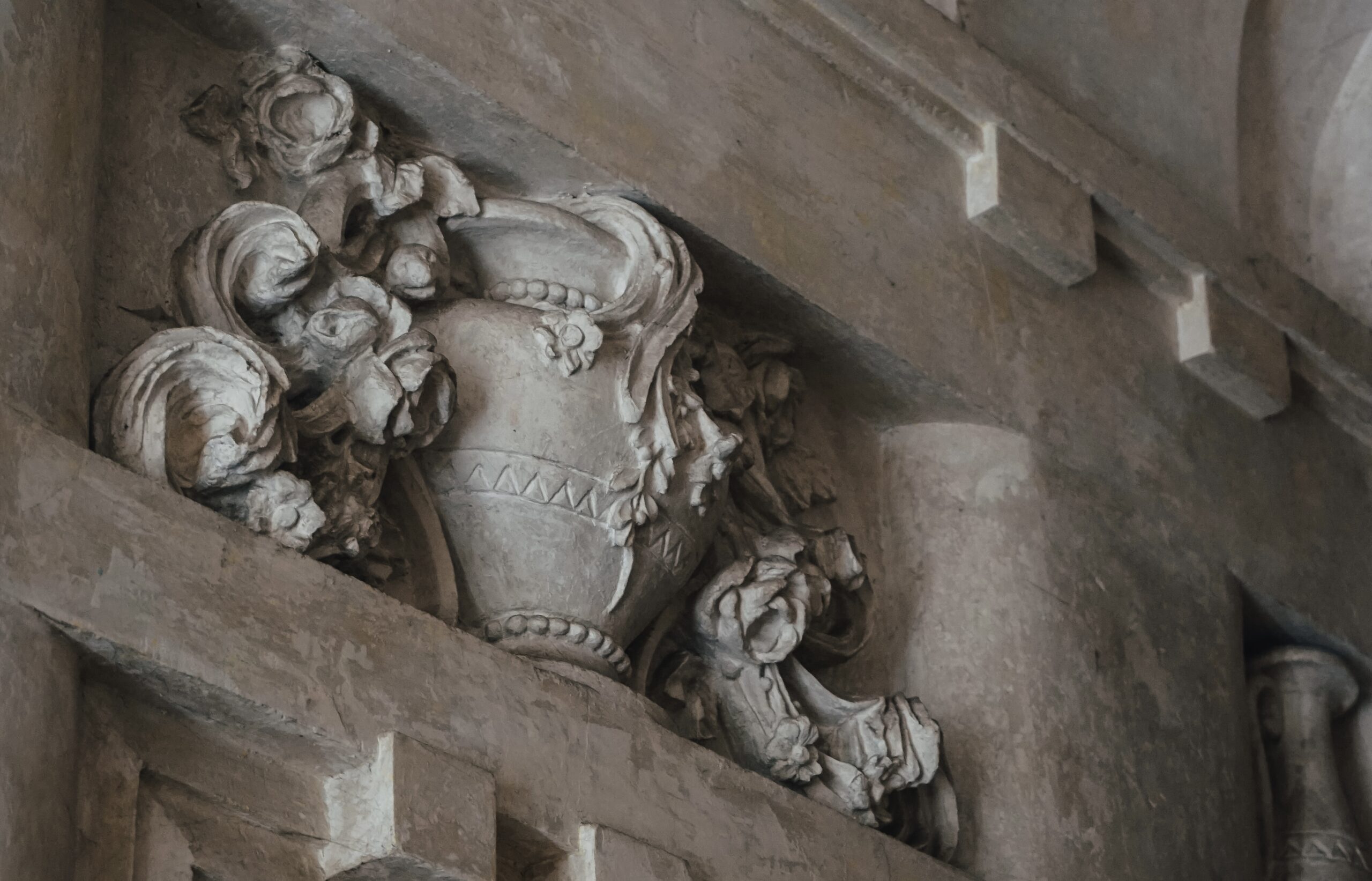
From 5 to 10 June 2026, Lviv joined cities across Europe in celebrating World Art Nouveau Day, an international initiative dedicated to promoting and raising awareness of Art Nouveau heritage. The programme in Lviv was coordinated by the Lviv Heritage Bureau.
This year’s European theme focused on women and their role in art, culture, architecture, and heritage preservation. Over six days, residents and visitors of Lviv were invited to discover the world of Art Nouveau through lectures, exhibitions, guided tours, workshops, concerts, discussions, and family-oriented activities.
The programme opened with the finale of the children’s drawing competition “Draw Me Lviv.” Young artists presented their own visions of the city and its architectural heritage, while their works were displayed in an open-air exhibition accompanied by an award ceremony. The event brought together around 50 children and their families.
At the Art Library, visitors explored the exhibition “Galician Gastronomy,” which presented everyday life and culinary traditions of Galicia through porcelain, tableware, recipes, and household objects. More than fifty people attended the exhibition.
Particular attention was devoted to women’s stories in the cultural history of Lviv. During the floral walk “Women in Lviv Secession,” participants learned about remarkable women connected with the city’s Art Nouveau period while creating bouquets inspired by the floral motifs characteristic of the style.
Families and children took part in an interactive quiz dedicated to Lviv, Art Nouveau, and outstanding Ukrainian women. In a friendly and engaging atmosphere, participants tested their knowledge and discovered new aspects of the city’s history and heritage.
The educational programme featured several lectures dedicated to the Art Nouveau era. Architect and researcher Ihor Zhuk presented the development of Art Nouveau and its influence on European culture. Historian Ivan Dudych delivered the lecture “Solomiya Krushelnytska in the Belle Époque,” exploring the cultural context of the period and the role of women in society at the turn of the twentieth century.
The artistic programme included an Art Nouveau painting workshop, where participants created their own artworks inspired by the decorative forms and aesthetics of the movement.
Music also played an important role in the festival. A candlelight concert dedicated to women composers took place at the Lviv Organ Hall, introducing audiences to works that have often remained underrepresented in the classical repertoire. Another highlight was the lecture-concert “The Sound of the Era: Twentieth-Century Music in the Context of Art Nouveau,” where students of Lviv Music School No. 6 named after Bohdan-Yurii Yanivskyi performed pieces reflecting the musical culture of the early twentieth century.
Guided tours remained one of the key elements of the programme. During the walk “Art Nouveau Sites of Lviv,” participants explored some of the city’s most remarkable examples of Art Nouveau architecture. Another thematic tour, “Solomiya Krushelnytska: A Life in the Art Nouveau Era,” offered a closer look at the life of the world-renowned opera singer and the cultural atmosphere of her time.
One of the central events of the festival was the panel discussion “Women Who Preserve Heritage.” Researchers, restorers, museum professionals, architects, and cultural managers shared their experiences and reflected on the important contribution of women to heritage preservation and cultural memory.
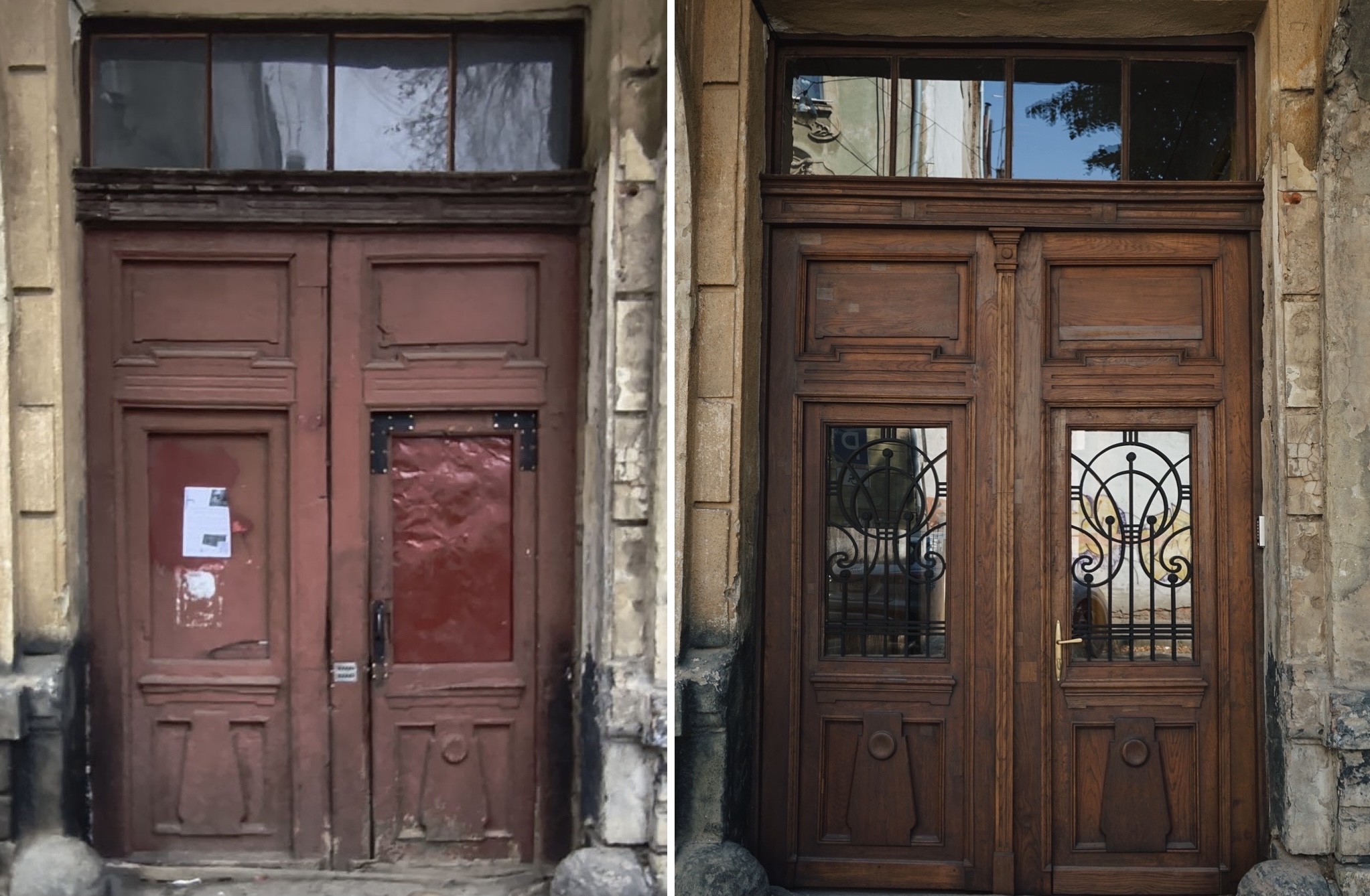
The programme also featured the photography exhibition “Gates of Lviv” by Viktoriia Temna. The exhibition highlighted the beauty of historic gateways, decorative ironwork, and architectural details that form an essential part of Lviv’s urban identity.
Several activities were designed especially for children. During the chocolate workshop, participants decorated chocolate bars inspired by the ornamental designs of Ivan Levynskyi. Another popular event was the children’s plein air workshop, where young artists sketched and painted architectural details directly from observation, discovering Art Nouveau motifs through creative practice and engagement with the city’s historic environment.
The festival concluded with a screening of the film “Modigliani” at the Lviv Cinema Centre. The biographical film about one of the most renowned artists of the early twentieth century attracted the largest audience of the programme and provided a fitting finale to the celebration of the Art Nouveau era.
In total, more than 600 people participated in the events of World Art Nouveau Day 2026 in Lviv. The festival once again demonstrated that cultural heritage can be vibrant, relevant, and accessible to a wide audience. By combining education, art, music, history, and family activities, the programme successfully promoted Lviv’s Art Nouveau heritage while drawing attention to the role of women in culture and heritage preservation.
World Art Nouveau Day in Lviv continues to serve as a platform connecting past and present, encouraging residents and visitors alike to discover the beauty and significance of the city’s rich architectural heritage.