At 47a Stepan Bandera Street in Lviv stands one of the most striking examples of early 20th-century residential architecture. This tenement house, built in 1911–1912 to a design by architect Arthur Schleyen, became an adornment of the district thanks to its richly decorated façade and exceptional interior. A special place in its artistic decoration belongs to the ceiling mural in the staircase, known as “Spring,” painted in 1912 by artists A. Rozen and H. Feller.

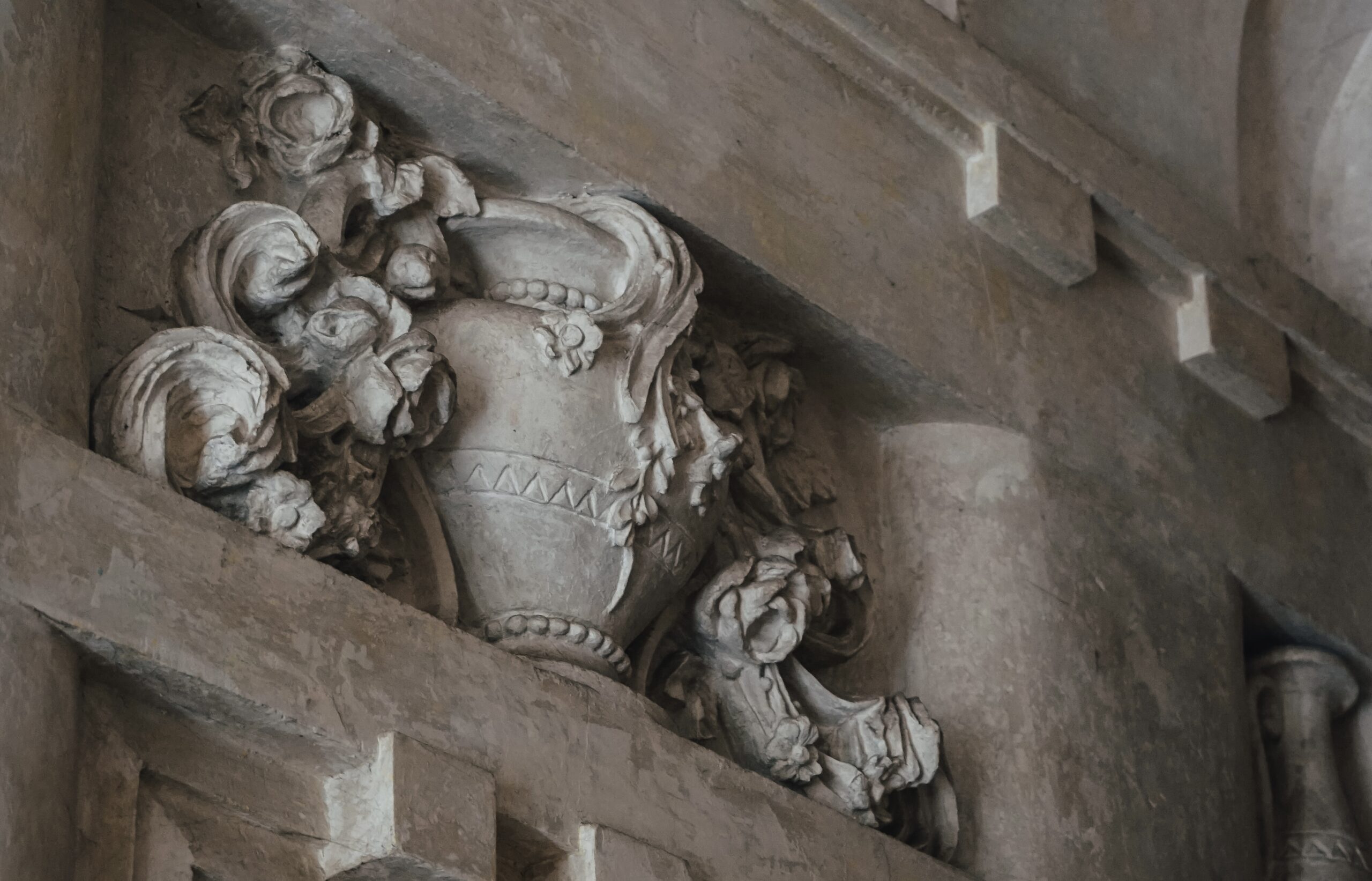
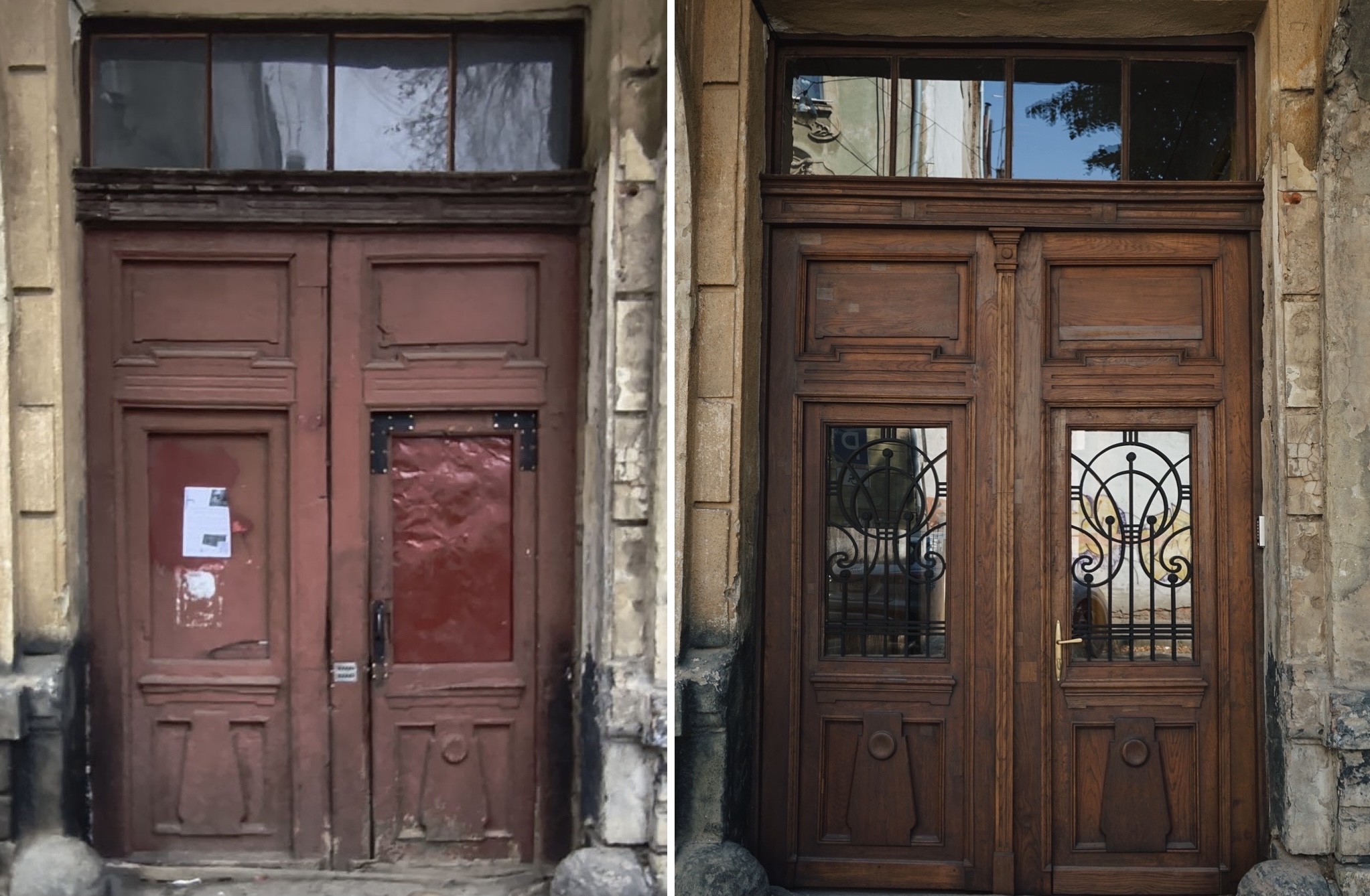
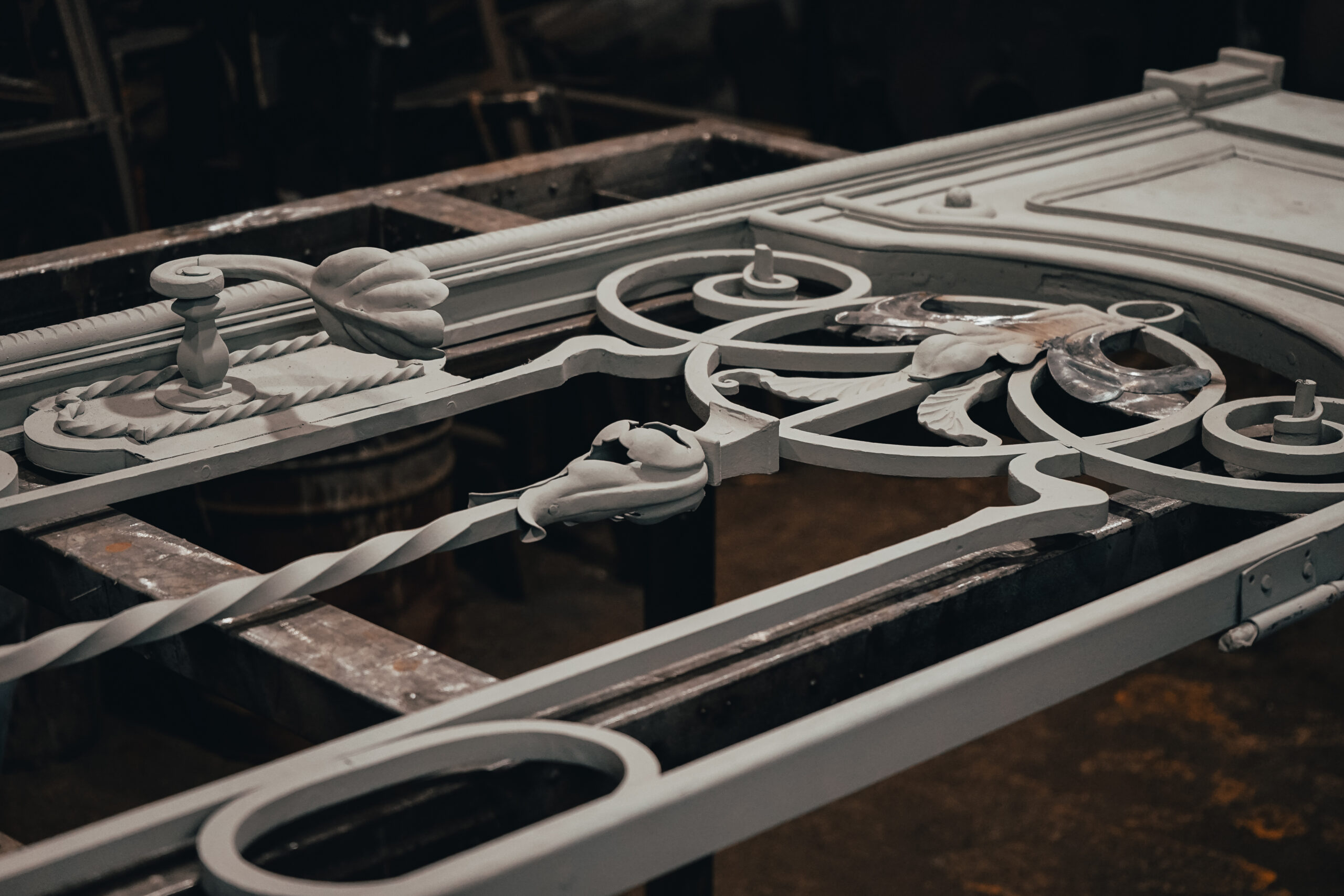
The architecture of the building embodies the key features of Lviv Secession. The façade is distinguished by a clearly articulated central risalit, balconies with delicate wrought-iron railings, and an abundance of plastic stucco decoration. One can see female profiles in medallions, garlands of flowers, vases, and stylized vegetal motifs. All these elements create a vivid, dynamic composition where ornamentation is organically combined with the constructive logic of the structure. Meanwhile, the interior makes an even stronger impression: the vestibule and staircase are adorned with mirrors, ceramic tiles, wooden doors with characteristic curving lines, and glazing with diamond-cut glass.
The most valuable artistic highlight is the staircase ceiling with the mural “Spring.” In the central part of the composition is a golden-haired woman in a white tunic against a blossoming spring landscape. She is surrounded by flowers and greenery, with the painting executed in light, pastel tones. The combination of realistic figuration with decorative flatness and stylized ornament is a hallmark of Secession painting, which strove for unity with architecture. The round side medallions with flowers on a burgundy background complement and emphasize the central image, forming a cohesive triptych.
The house at 47a Bandera Street is not an accidental ornament of the city. Together with neighboring buildings, it forms an architectural ensemble that reflects the early 20th-century aspiration to create a new urban aesthetic. Here one can clearly see how Lviv Secession integrated decorative and utilitarian elements into a single artistic whole, enriching the everyday environment of its residents with artistic detail.