The building at 8 Akademika Bohomoltsia Street in Lviv is not only an exquisite example of a Secession-style façade but also a unique interior that embodies the aesthetics of the early twentieth century.
Constructed in 1907 by the architectural bureau of Ivan Levynskyi for the firm “Elster & Topf,” the house became part of a harmonious ensemble where every detail—from the doorway to the staircase railing—speaks the language of Art Nouveau.

The entrance hall is a true spatial experiment of its era. The staircase has a semi-elliptical shape that gently envelops the visitor as they ascend. Light enters through a large skylight in the roof, filling the space with natural daylight and emphasizing the plasticity of the lines and the graceful curves of the railings. This is how Secession embodied the idea of “living architecture,” where light and form create harmony.
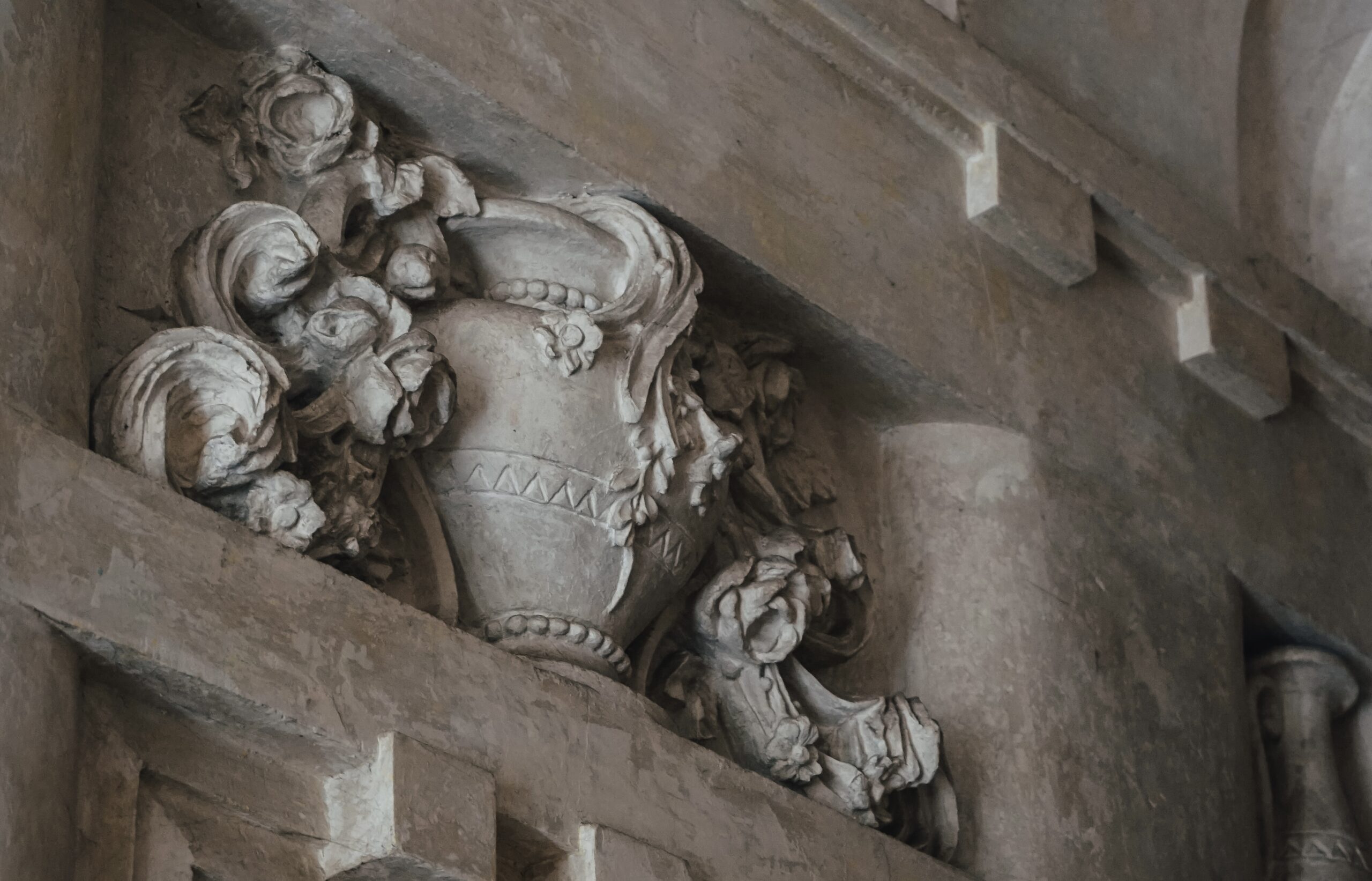
On the walls of the staircase, fragments of stucco friezes with floral motifs have survived—stylized leaves, stems, and garlands made of plaster. Some of the windows between the stair flights still preserve the original stained glass, most likely produced in the workshop of Leon Appel, a renowned Lviv craftsman of the early 1900s. The colored glass pieces, arranged in flowing geometric patterns, fill the hall with a warm glow even on overcast days.
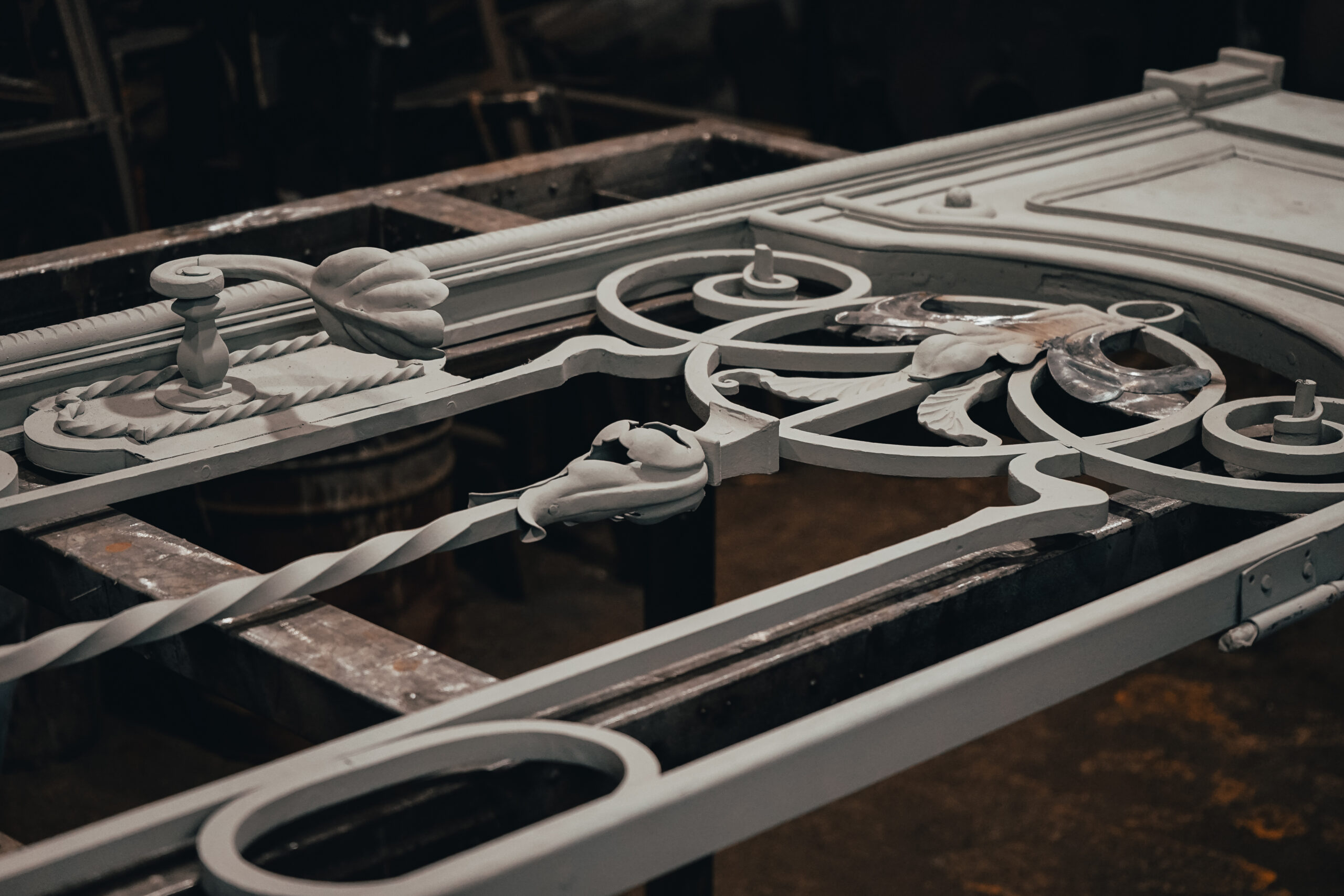
The stairs themselves are made of concrete, while the railings are wrought iron, with plant-like curves characteristic of Art Nouveau. The patterns of the balustrades resemble stylized vines and spirals that seem to grow from the floor itself. This is not merely a utilitarian element but a deliberate decorative accent, turning the act of climbing the stairs into an aesthetic experience.

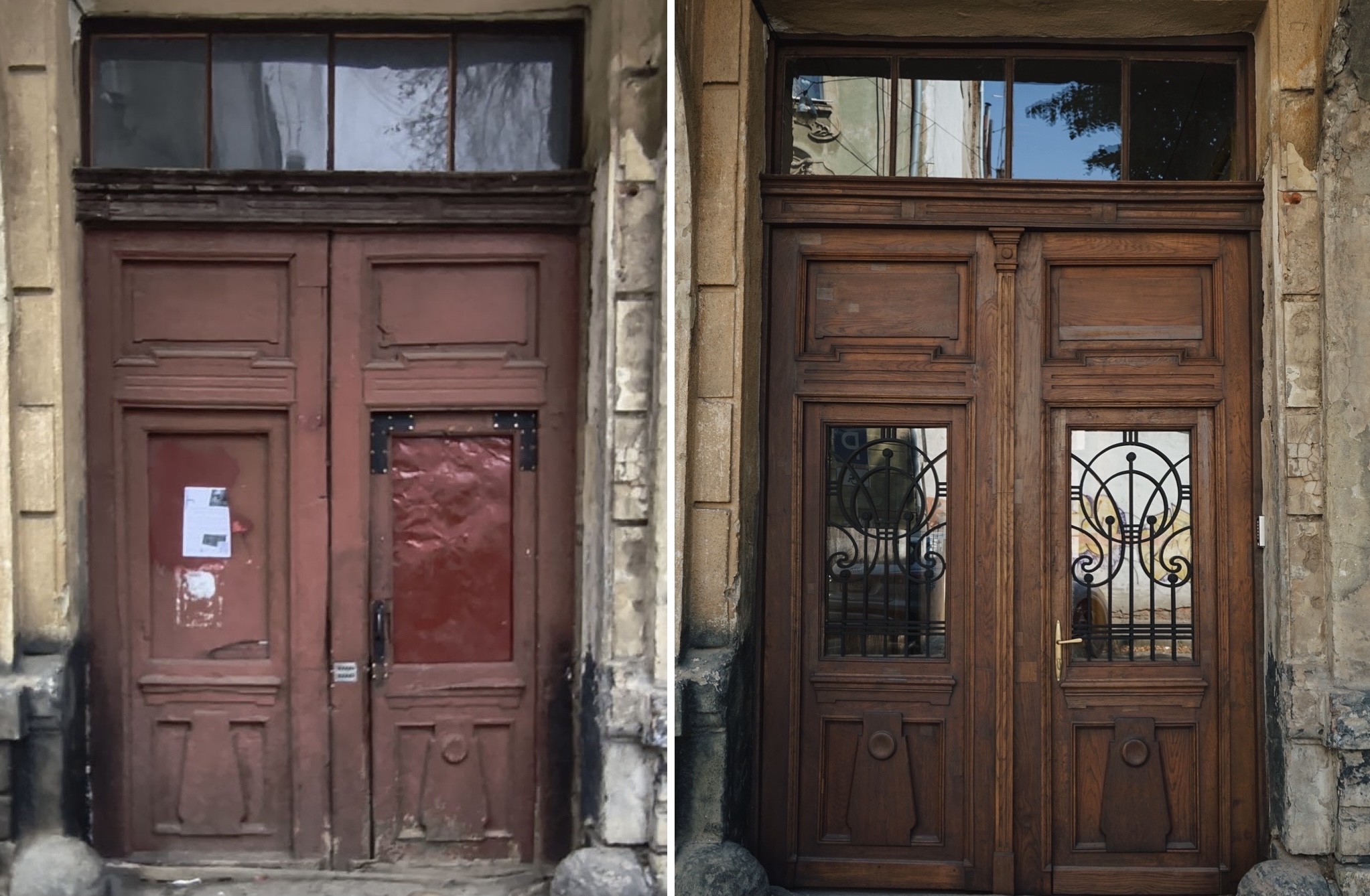
Underfoot lies the original geometric ceramic tile, typical of the Levynskyi school of craftsmanship. The entrance doors still retain part of their authentic bronze fittings—handles, mail slots, and ventilation grilles. Together, these elements create a coherent ensemble in which every detail serves the overall idea: unity of beauty, function, and artisanal precision.
The building remains residential to this day. Its inhabitants pass by these details daily, perhaps without realizing that they are surrounded by true works of Art Nouveau art. At the same time, these interiors require careful preservation, for even the smallest fragment of stucco, a shard of stained glass, or a wrought-iron pattern testifies to the high culture of Lviv’s early twentieth-century architecture.
8 Bohomoltsia Street is more than just an address. It is a memory of a time when architecture was poetry, and an entrance hall was a place where light, form, and color created a daily miracle.