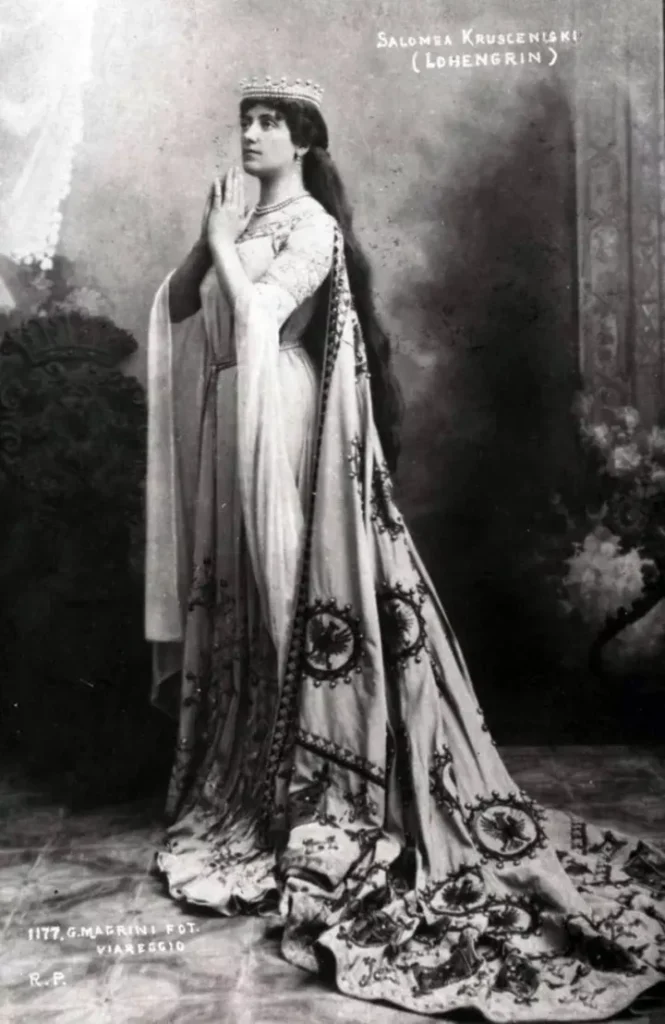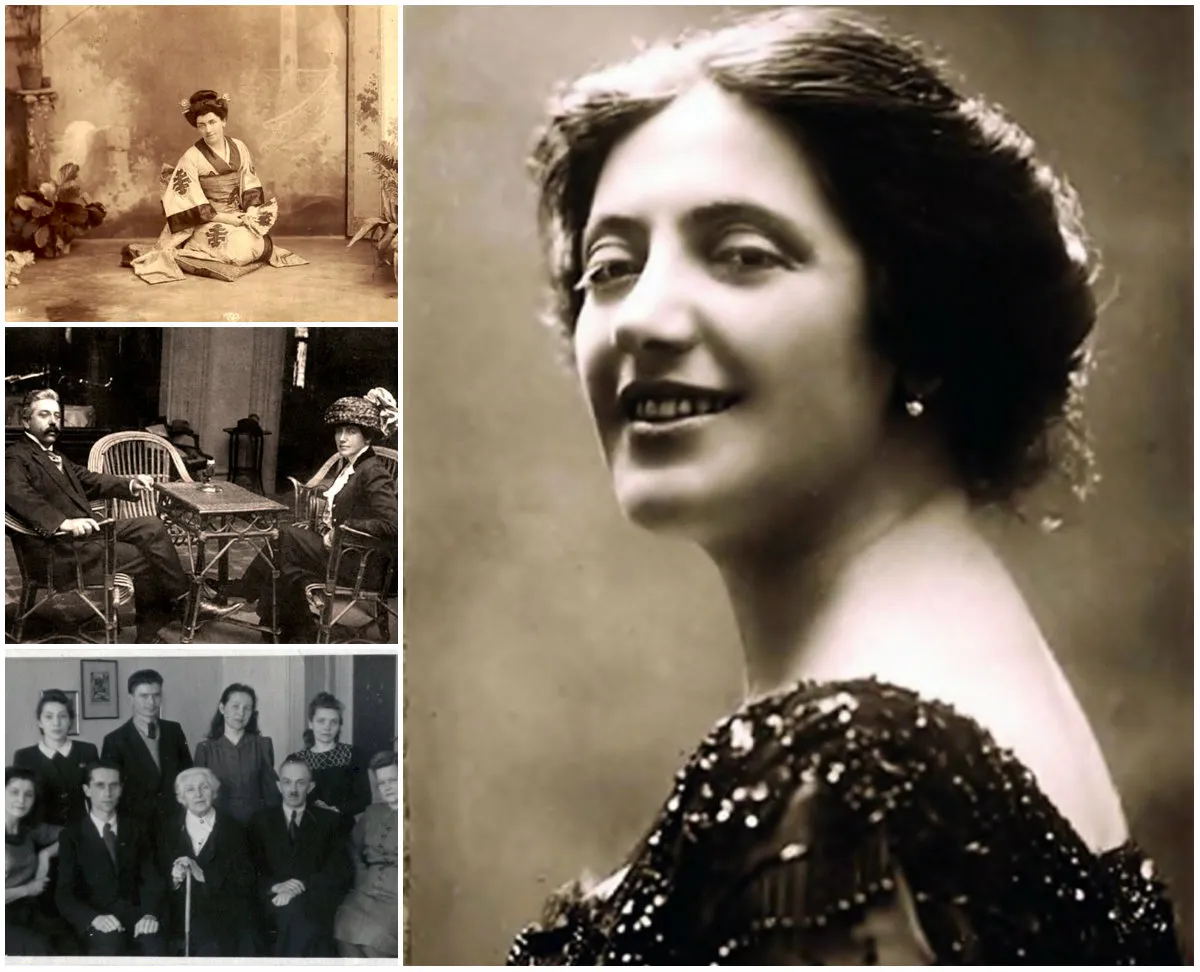
Today marks the birthday of Solomiya Krushelnytska. During our events dedicated to Lviv Art Nouveau and Secession, we have mentioned her name more than once. Today, we return to her story once again — above all, as one of the most remarkable Ukrainian women of her era.
Solomiya Krushelnytska was born on September 23, 1872, in the village of Biliavyntsi in the Ternopil region, into the family of the Greek Catholic priest Amvrosii Krushelnytskyi. She spent her childhood in the village of Bila near Ternopil and received her professional musical education in Lviv. In 1893, she graduated with honors from the Conservatory of the Galician Music Society. That same year, she made her operatic debut: the 20-year-old Krushelnytska performed the role of Leonora in Donizetti’s La Favorite at Lviv’s Skarbek Theatre. Soon afterward, she went to Milan to further develop her vocal technique and later continued her studies in Vienna.
Her voice — a lyric-dramatic soprano — had a range of nearly three octaves, while contemporaries praised her exceptional musical memory and dramatic talent. Over the course of her career, Krushelnytska mastered more than 60 operatic roles and performed in Lviv, Milan, Paris, Rome, Naples, Warsaw, Buenos Aires, Barcelona, Monte Carlo, and on many other stages across Europe and the Americas.
In February 1904, the already renowned Italian composer Giacomo Puccini presented the premiere of Madama Butterfly at La Scala. It was a spectacular failure — the demanding Italian audience rejected the production and even booed it. Puccini asked Solomiya Krushelnytska to help save his opera, and she was not afraid to risk her career. She reportedly suggested that the maestro shorten the opening aria, which, in her view, had tired the audience. In May, they presented the revised version at the Teatro Grande in Brescia. The success was extraordinary — Puccini and Krushelnytska were called back to the stage seven times. The singer went on to perform the famous geisha’s role triumphantly in leading theatres around the world more than one hundred times and is still regarded as one of the finest interpreters of Cio-Cio-San.
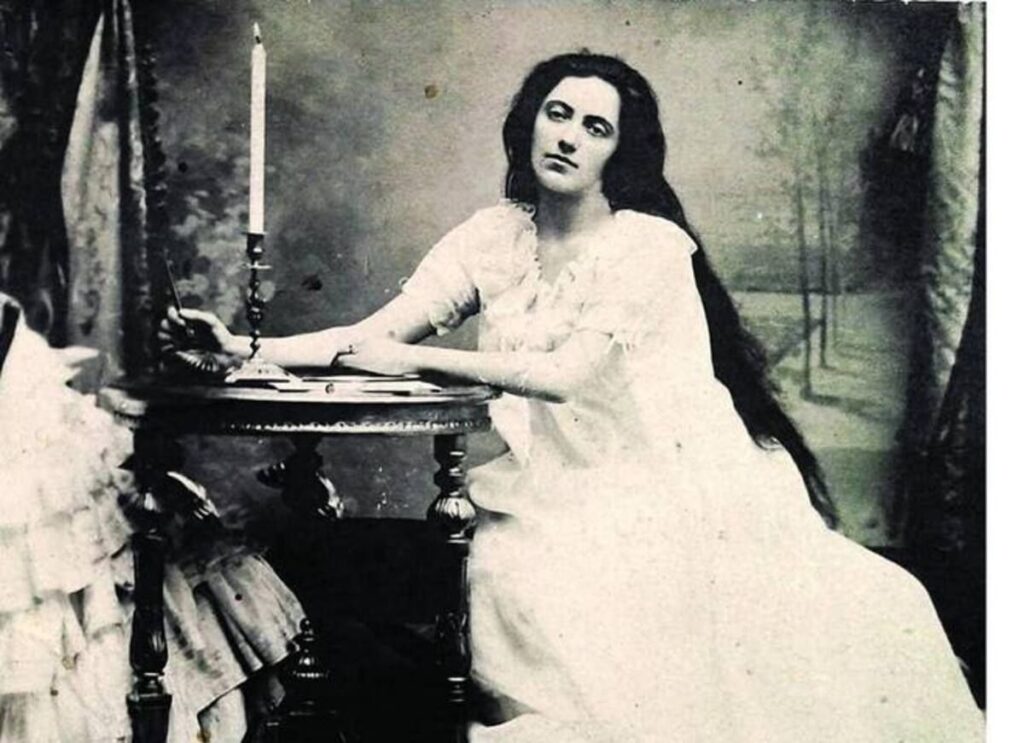
And this was far from her only landmark role. Krushelnytska performed the leading parts in the Italian premieres of Richard Strauss’s Salome and Elektra, while her talent was highly valued by Giacomo Puccini, Richard Strauss, and conductor Arturo Toscanini.
She was not only an operatic prima donna. After ending her opera career, in the 1920s Krushelnytska created a concert programme titled “Songs of All Nations” and performed works of different peoples in their original languages. At the same time, Ukrainian folk songs and compositions by Mykola Lysenko — who dedicated several of his works to her — remained a constant part of her programmes.
Off stage, Krushelnytska was a remarkably modern woman: she played tennis, travelled extensively, enjoyed long walks, dancing, and was known as a skilled cook. At her Villa “Salome” in Viareggio, she welcomed Puccini and other prominent figures of Italian cultural life.
She remained closely connected with Lviv throughout her life. In 1903, she purchased her own townhouse in the city, and in 1939, after coming to Galicia to visit her family, the outbreak of the Second World War prevented her from returning to Italy. The Soviet authorities confiscated her house and did not allow her to leave the country.
Despite her age and health problems, Krushelnytska continued to sing and teach at the Lviv Conservatory. Her final concert took place in Lviv on December 26, 1949, with Ukrainian folk songs making up a significant part of the programme.
Her voice has also survived to this day: the collections of the Lviv museum preserve five records featuring Krushelnytska’s voice, including recordings of Ukrainian folk songs.
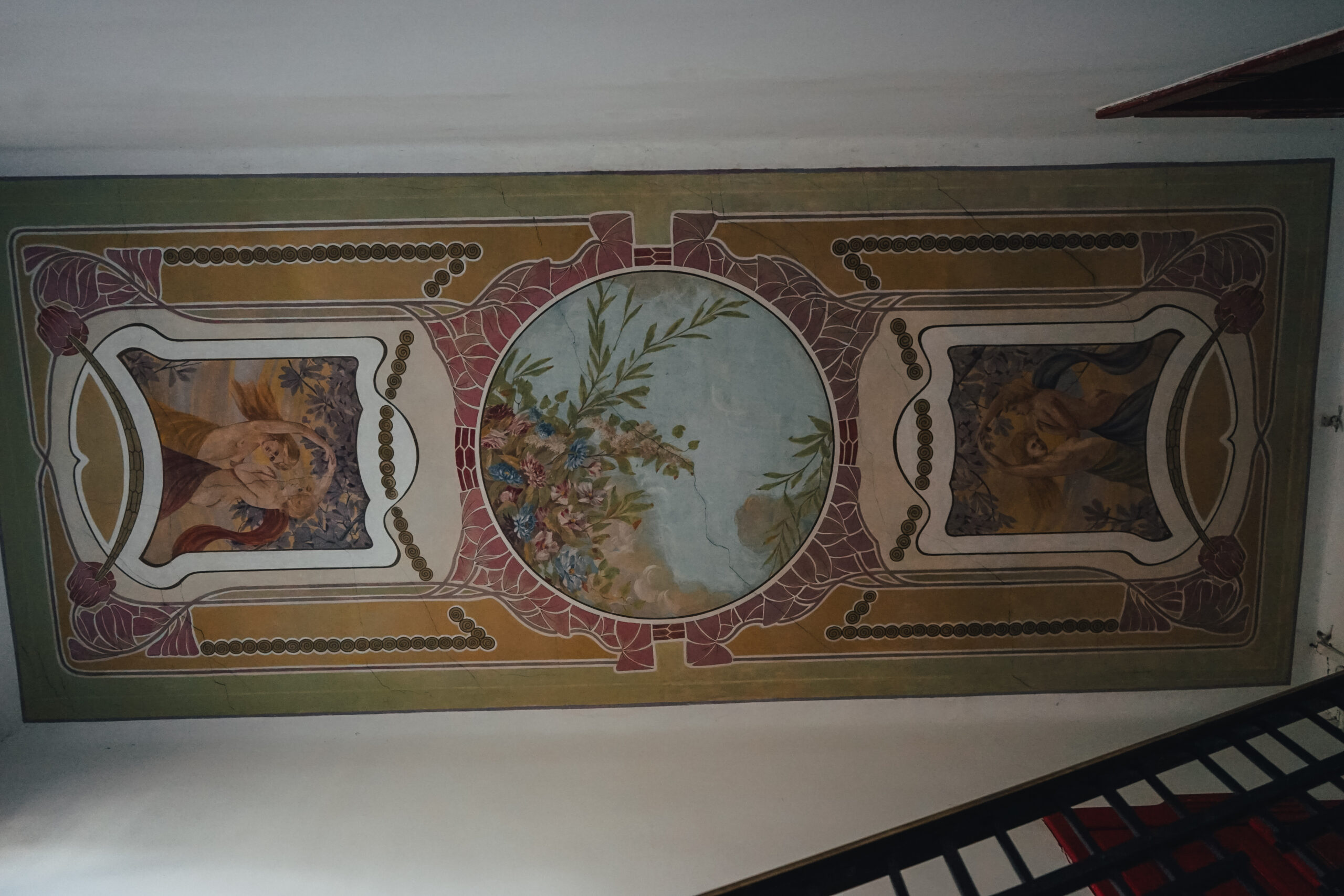
Secession was only one expression of the world in which she lived. Solomiya Krushelnytska herself became something far greater — a Ukrainian woman whose voice was known on the world’s leading stages at the beginning of the 20th century.