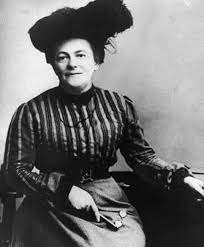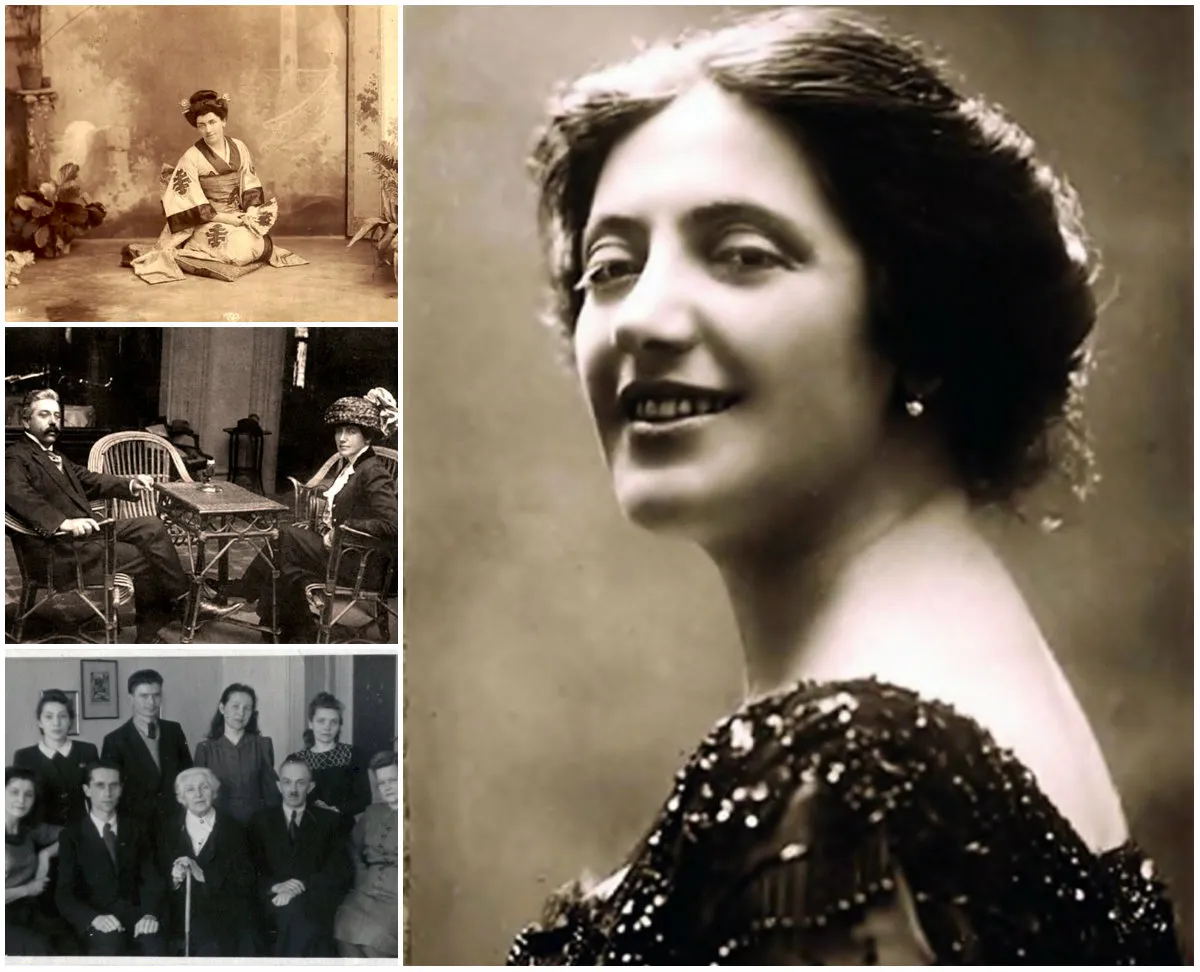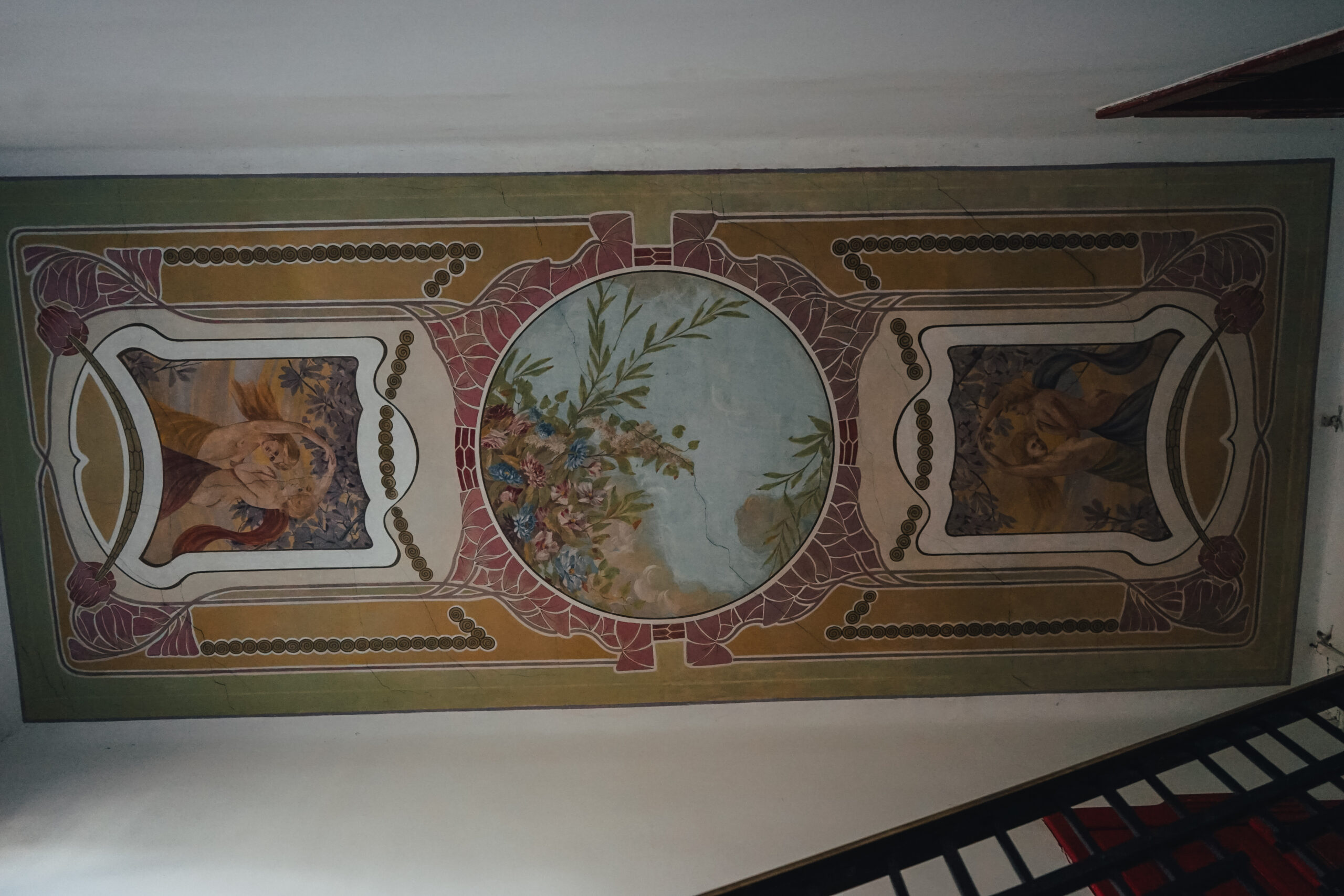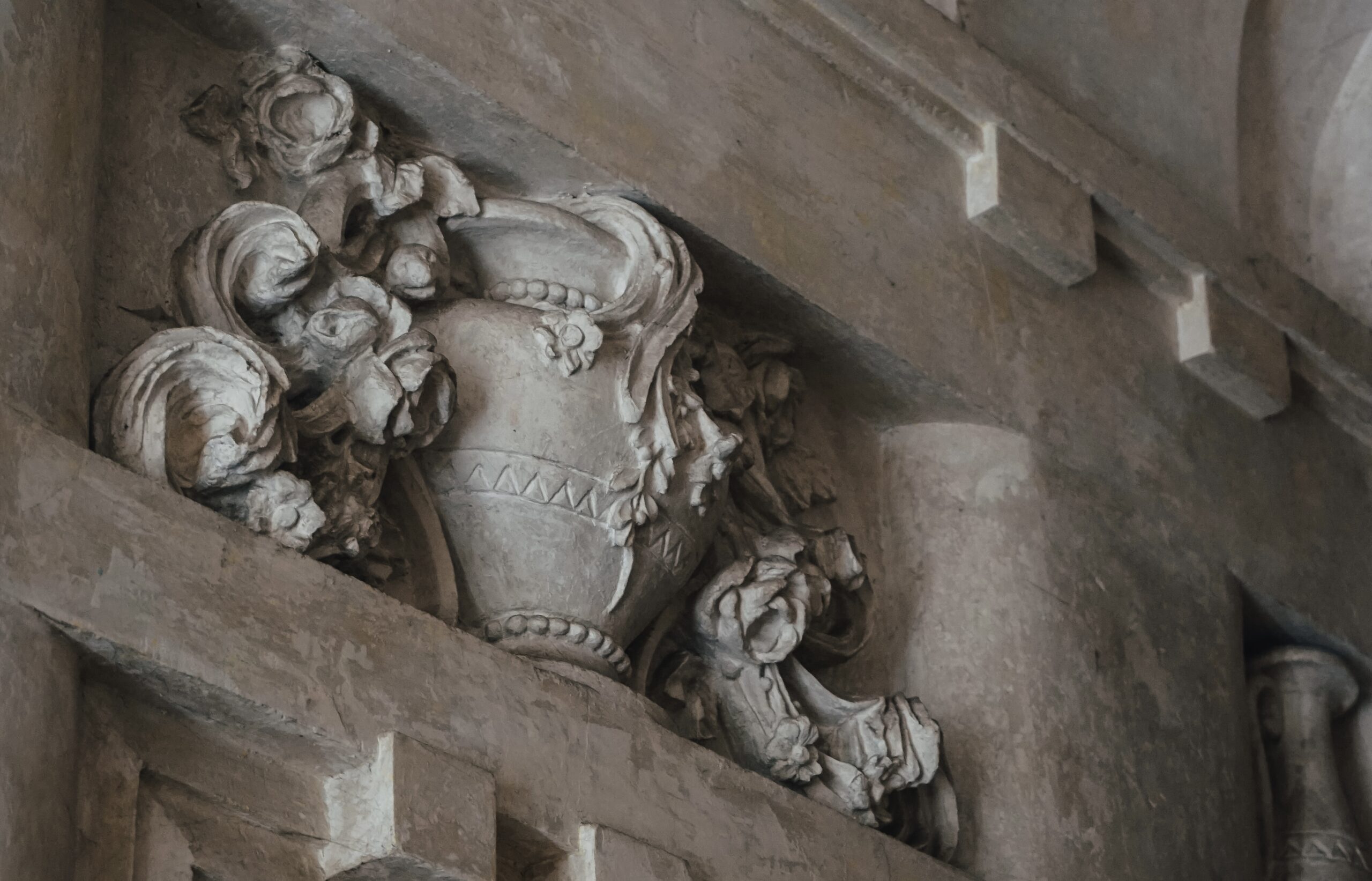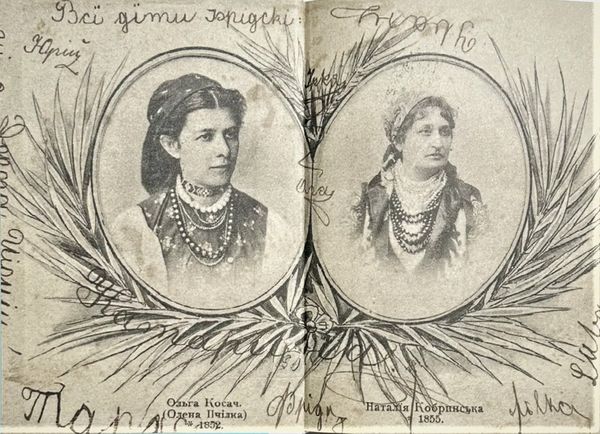
Nataliia Kobrynska (1855–1920) was a writer, publisher, public activist, and one of the founders of the organized Ukrainian women’s movement. Her life coincided with a remarkable period — the late 19th and early 20th centuries, the age of Secession. In Lviv and other Central European cities, architecture, art, and the very idea of modern life were changing rapidly. Artists were moving away from literal imitation of the past and searching for a new language for a new century. Similar transformations were taking place in society, including changing attitudes toward the role of women. Kobrynska was not a representative of Secession as an artistic style, but she embodied the spirit of that era — a desire for renewal, freedom, and the breaking of old conventions.
Nataliia was born in 1855 in the village of Beleluia into the family of a Greek Catholic priest. She was educated at home, studied Ukrainian, Polish, German, and French, was a talented artist, and played the piano. Her grandfather, Ivan Ozarkevych (1795–1854), was one of the first popularizers of works by Ukrainian writers in Galicia. He initiated amateur theatre productions and staged works by Ivan Kotliarevsky, Hryhorii Kvitka-Osnovianenko, and other authors. Her father, Ivan Ozarkevych (1826–1903), was a priest, public and political figure, a deputy of the Galician Diet and the Austrian Imperial Council, and also wrote poetry. Her mother, Teofiliia Okunevska, came from the prominent Ukrainian Okunevsky family. Nataliia’s cousin was Sofiia Okunevska, a physician, public activist, and feminist who, after the death of her mother, lived for some time with the Ozarkevych family. Kobrynska therefore grew up in an environment where education, literature, politics, and civic engagement were not abstract ideas but part of everyday life.
In 1874, Nataliia married theologian Teofil Kobrynsky. The couple lived in Sniatyn, but in 1882 her husband died of tuberculosis. After his death, Nataliia moved to Vienna. There she met Ivan Franko and members of the Ukrainian student society “Sich.” The publicist and literary critic Ostap Terletsky also had a significant influence on the formation of her views. It was after this period that the most active stage of her literary and public work began. In 1883, Kobrynska wrote the short story “Pani Shuminska”, which later received the highly symbolic title “The Spirit of the Age.” At the heart of the story is a conflict between the older and younger generations of women. The mother’s life is entirely confined to the home and traditional duties, while her daughters seek a different future. For the older generation, their desire to move beyond established rules is perceived almost as the collapse of the familiar world.
This is where the parallel with the age of Secession becomes especially striking. Kobrynska’s “Spirit of the Age” reflects the same conflict between the old and the new that, at the turn of the century, was unfolding simultaneously in architecture, art, literature, and society.
In 1884, in Stanislaviv, Nataliia Kobrynska together with Olesia Bazhanska founded the “Society of Ruthenian Women”, the first Ukrainian women’s organization of its kind. In 1887, together with Olena Pchilka, she prepared the almanac “The First Wreath” (Pershyi Vinok) — an anthology of women’s writing that brought together authors from different Ukrainian lands. Its contributors included Lesia Ukrainka, Uliana Kravchenko, Dniprova Chaika, Liudmyla Starytska, Anna Pavlyk, and others. Ivan Franko regarded The First Wreath as one of the finest and most substantial Ukrainian publications of that decade. Kobrynska did not limit herself to literature. She collected signatures in support of women’s right to study at universities and secondary schools and advocated for women’s education and economic independence. From 1893 to 1896, she was actively involved in publishing. Her “Women’s Library” issued three volumes of the almanac “Our Fate” (Nasha Dolia). To develop book publishing and find better opportunities for spreading her ideas, Kobrynska travelled specifically to Lviv.
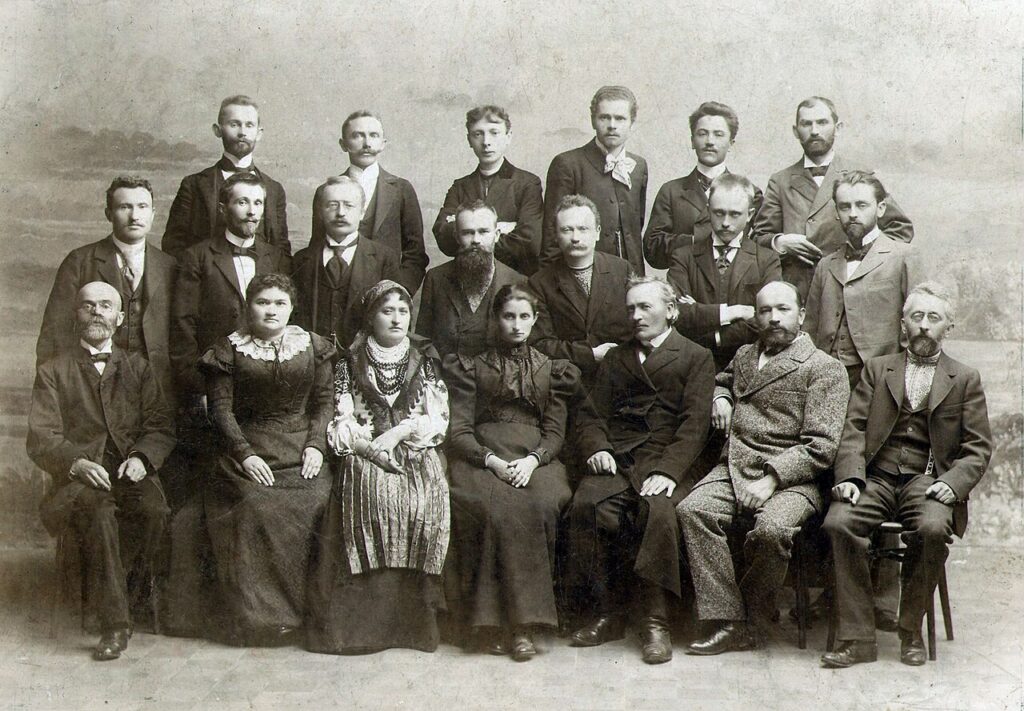
In 1898, she took part in the famous Congress of Ukrainian Writers in Lviv, dedicated to the centenary of the publication of Kotliarevsky’s Eneida. In the well-known group photograph, Kobrynska is seated next to Olha Kobylianska, while among the other participants were Ivan Franko, Mykhailo Hrushevsky, Ivan Trush, Bohdan Lepky, Osyp Makovei, and other representatives of the Ukrainian intellectual elite. And this was already the Lviv of the same era in which the city was gradually acquiring its distinctive Secession appearance. This is precisely why Nataliia Kobrynska is particularly interesting to consider alongside Lviv Secession.
Secession sought to free art from old patterns. Kobrynska was doing something very similar in public life — questioning the traditional model of a woman’s destiny and proposing instead the image of an educated, economically independent, and socially active woman. While architects were creating a new image of the city, Kobrynska and her contemporaries were shaping a new image of the woman of the 20th century. Her connection with Secession, therefore, lies not in ornament or artistic technique, but on a much deeper level: in the very “spirit of the age” — the desire to move beyond old rules and enter the new century in a new way.