At the turn of the 19th and 20th centuries, a new image emerges in art — a woman who is no longer just a gentle muse. She attracts, captivates, and at the same time unsettles. This is the femme fatale.
In the literature and art of the Art Nouveau era, she becomes a symbol of change: beautiful, independent, mysterious, and dangerous. Her gaze is direct, her posture confident, her presence powerful. She does not simply inspire — she influences, directs, and alters the course of stories.

This image quickly gains popularity in European fin de siècle culture — in painting, graphic art, posters, and decorative arts. The female figure intertwines with floral ornaments and flowing lines, becoming part of the very aesthetics of Art Nouveau — refined, sensual, and slightly тревожна.
Lviv’s Secession also embraces this image.

It can be seen in the sculptural decoration of façades — in mascarons and female figures with focused, sometimes distant expressions. In stained glass and murals — where a woman becomes an allegory of nature, time, or mood. In details — where every line emphasizes not only beauty, but character.
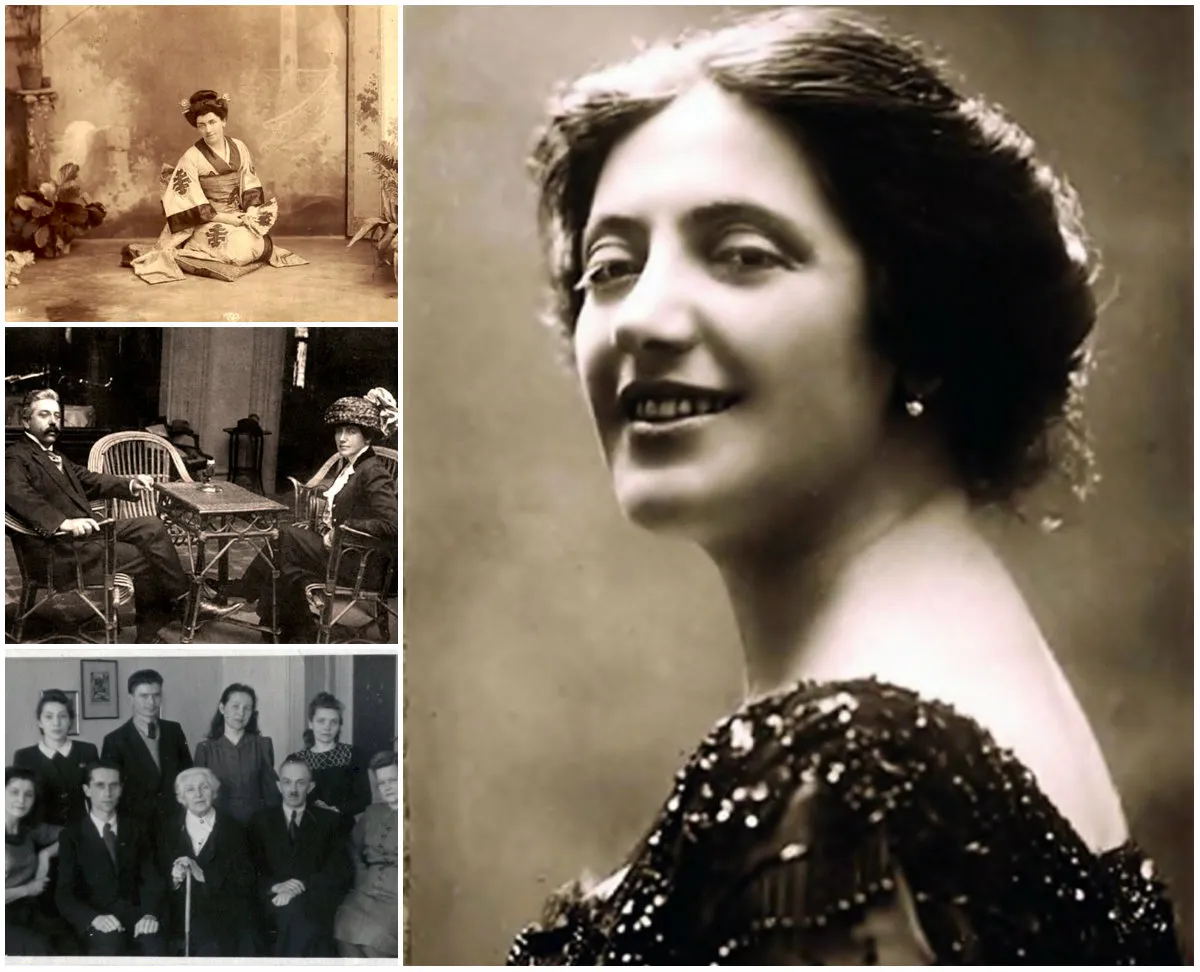
In the following posts, we will take a closer look at these representations — in specific buildings in Lviv, in artworks, and in the stories of the women behind this era.