Sandel House, located at 5 Les Kurbas Street in Lviv, stands as a remarkable example of ornamental Art Nouveau architecture. Its unique ceramic façade has earned it the reputation of being Lviv’s counterpart to Vienna’s “Majolikahaus.” This architectural gem combines the elegance of design with early 20th-century innovative solutions, making it one of the city’s most intriguing structures.
The house was designed by Henryk Salver between 1905 and 1906. Salver developed the planning and compositional scheme of the façade, while in 1906–1907, architect Solomon Rimer implemented the façade and interior design. The building was clad with ceramics from the Lviv workshop “Bracia Mund,” giving it its distinct appearance.


Isaac Sandel commissioned the project and owned the building from 1907 to 1910. Interestingly, the first floor of the house was rusticated and originally intended for the “Japanese Café,” which operated there until World War I. The upper floors housed residential apartments.
The building is distinguished by its façade, entirely covered with ceramic majolica, lending it a vibrant appearance reminiscent of European architectural trends of the time. The presence of balconies on metal brackets on each floor is a notable feature. The lower balcony acts as a divider between the rusticated commercial floor and the residential area covered in majolica.

On the floor of the vestibule “Rejtana L 5 1907” you can see the date of construction of the tenement, laid out with tiles.
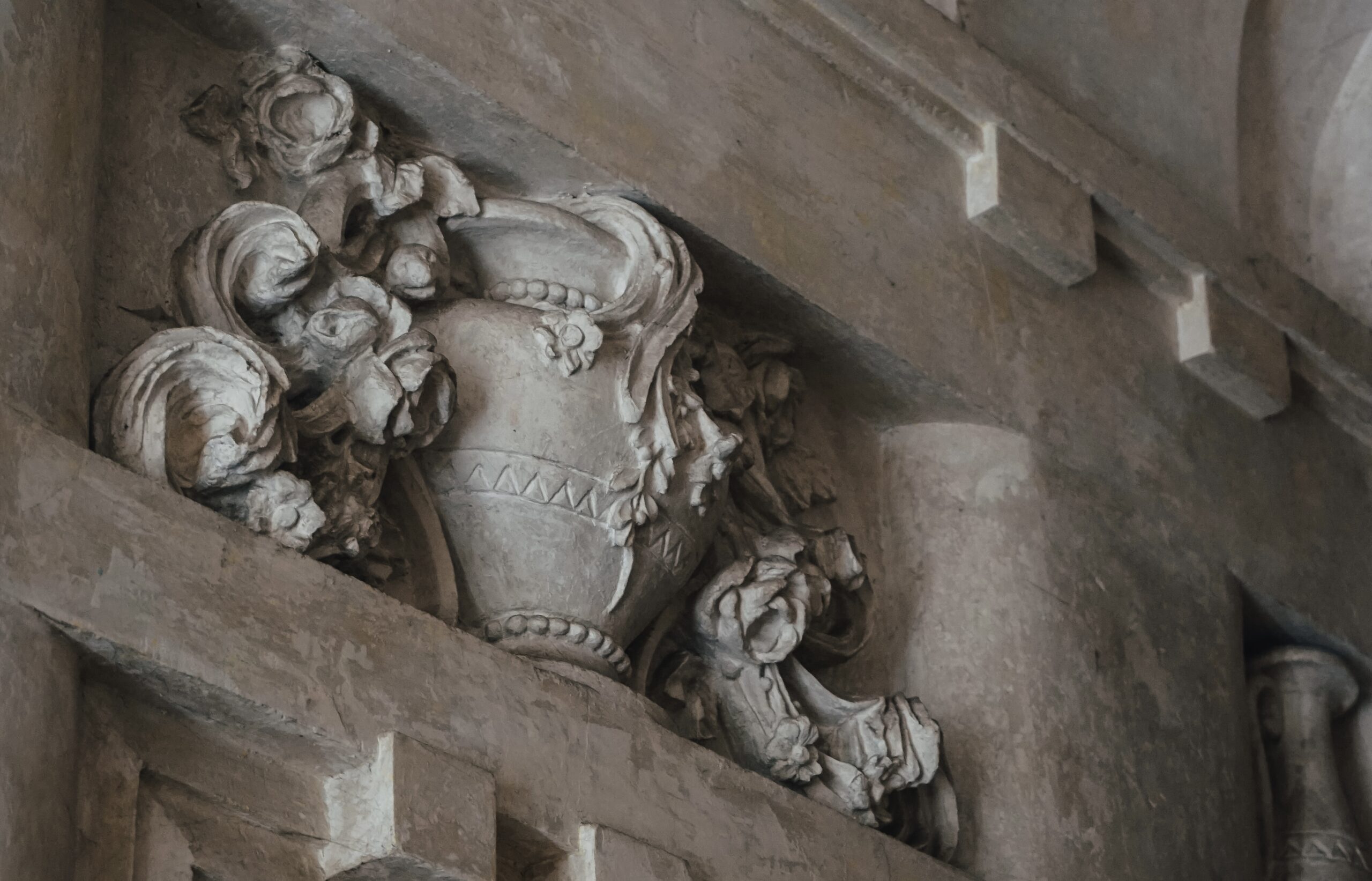
The interior of the lobby was decorated with four large panels circa 1911.


Today, the ground floor is occupied by shops, while the upper floors remain residential. Its architectural beauty and historical significance make it a popular spot for tourists and architecture enthusiasts alike. Sandel House exemplifies how architecture can bridge eras, showcasing the rich cultural influences and craftsmanship of past architects.
Матеріали: Центр міської історії / Materials: Lviv Center for Urban History
Фотографії: Бюро спадщини, Центр міської історії, Микола Кремса/ Photos: Heritage Bureau, Lviv Center for Urban History, Mykola Kremsa