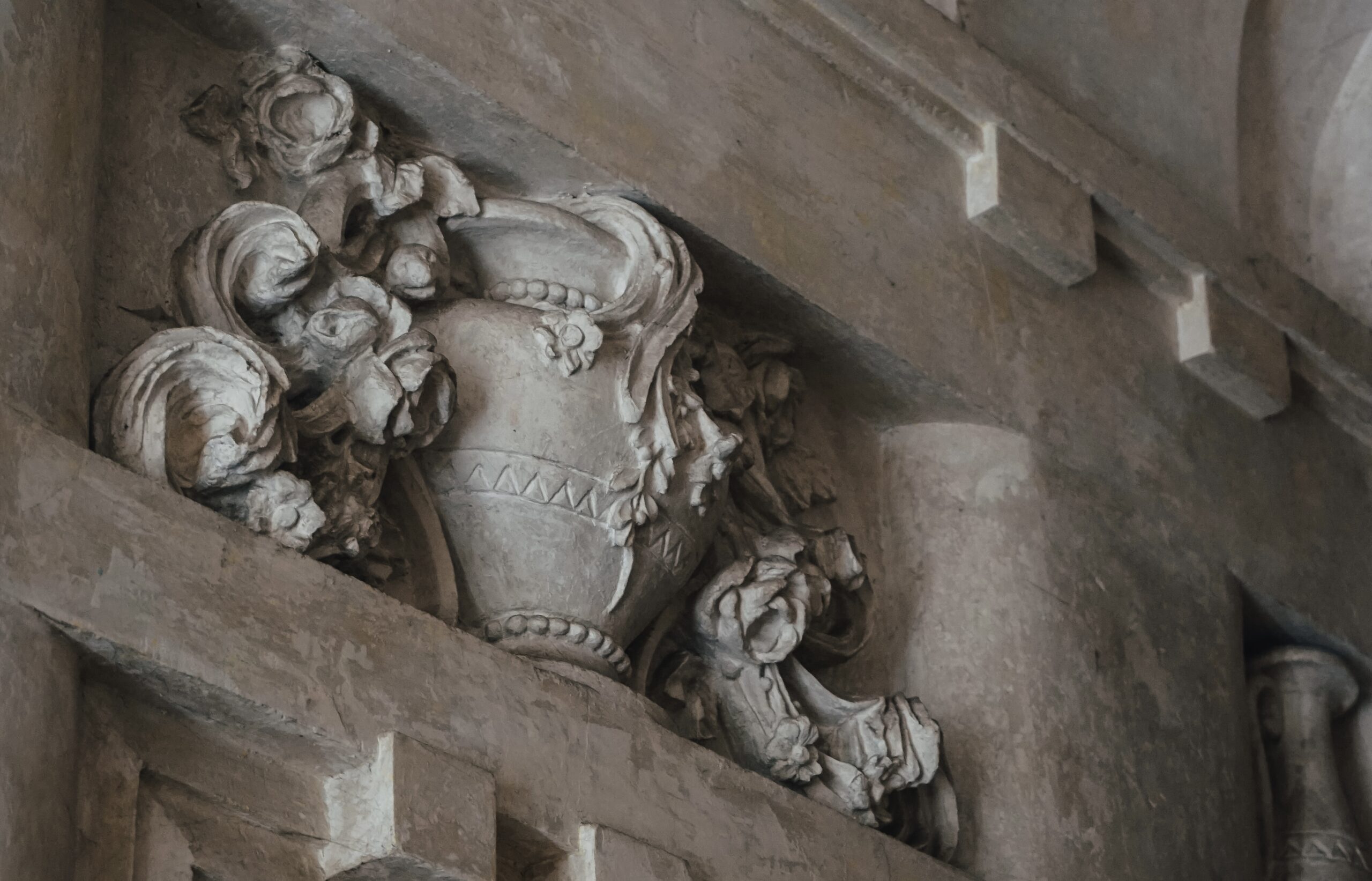
This year, Lviv once again joined the celebration of World Art Nouveau Day, traditionally held on June 10 — the birthday of two iconic figures of the movement: Antoni Gaudí and Henry van de Velde. For five days, the city lived in the spirit of Secession: exhibitions, lectures, workshops, guided tours, and interactive events offered residents and visitors a new perspective on Lviv’s artistic heritage. The series of events was organized by Heritage Bureau (LKP “Buro Spadshchyny”), which coordinates the protection and promotion of the city’s historical and architectural legacy. The program was held in cooperation with the international Réseau Art Nouveau Network (RANN). This year’s overarching European theme was Color.

The celebration opened with the exhibition “The Memory of Things” at the Art Library — an intimate and deeply personal display of furniture and household items in the ornamental Art Nouveau style. It reminded visitors that Art Nouveau is not only about grand architecture — it is also about the art of living beautifully every day.
On the same day, an atmospheric evening took place at Ya Gallery, featuring Yuliya Bohdanova and Pavlo Hudimov, who spoke about the origins, music, fonts, and philosophy of Secession. The theme of “Color” could be felt in every detail — from the decor to the floral arrangements and desserts. Lviv Handmade Chocolate presented a chocolate collection inspired by Ivan Levynskyi, Shoco offered a themed dessert catering, and floral artist Olia Slynko led a masterclass on Secession-style compositions.

The program included several insightful lectures. Cultural historian Iryna Mahdysh hosted a talk at the UNESCO Cultural Hub on “Styles of Ukrainian Art in the 20th Century,” highlighting Art Nouveau as the “last optimistic style.”
Equally valuable was a lecture by restorer Iryna Hirna entitled “Colors of Secession: Paints, Plasters, Ornaments.” She spoke about pigments, minerals, and decorative techniques used in Lviv at the turn of the 20th century, and how to restore and recreate the authentic color palette of the era today.
This year’s events also offered tactile, material encounters with Art Nouveau. One such highlight was a unique offsite workshop at the “Villa Huta” glasshouse in Briukhovychi — the only traditional glass-blowing studio of its kind in Ukraine. Participants witnessed the transformation of molten glass into art, learned about the thousand-year-old tradition of Ukrainian glassmaking, and heard stories from artist and founder of the Museum of Ideas, Oles Dzyndra.

For the youngest participants, a workshop titled “Sweet Art” was held at the Lviv Caramel Workshop. Children created their own caramel compositions, exploring color and form — while also learning the value of applied art through hands-on experience.
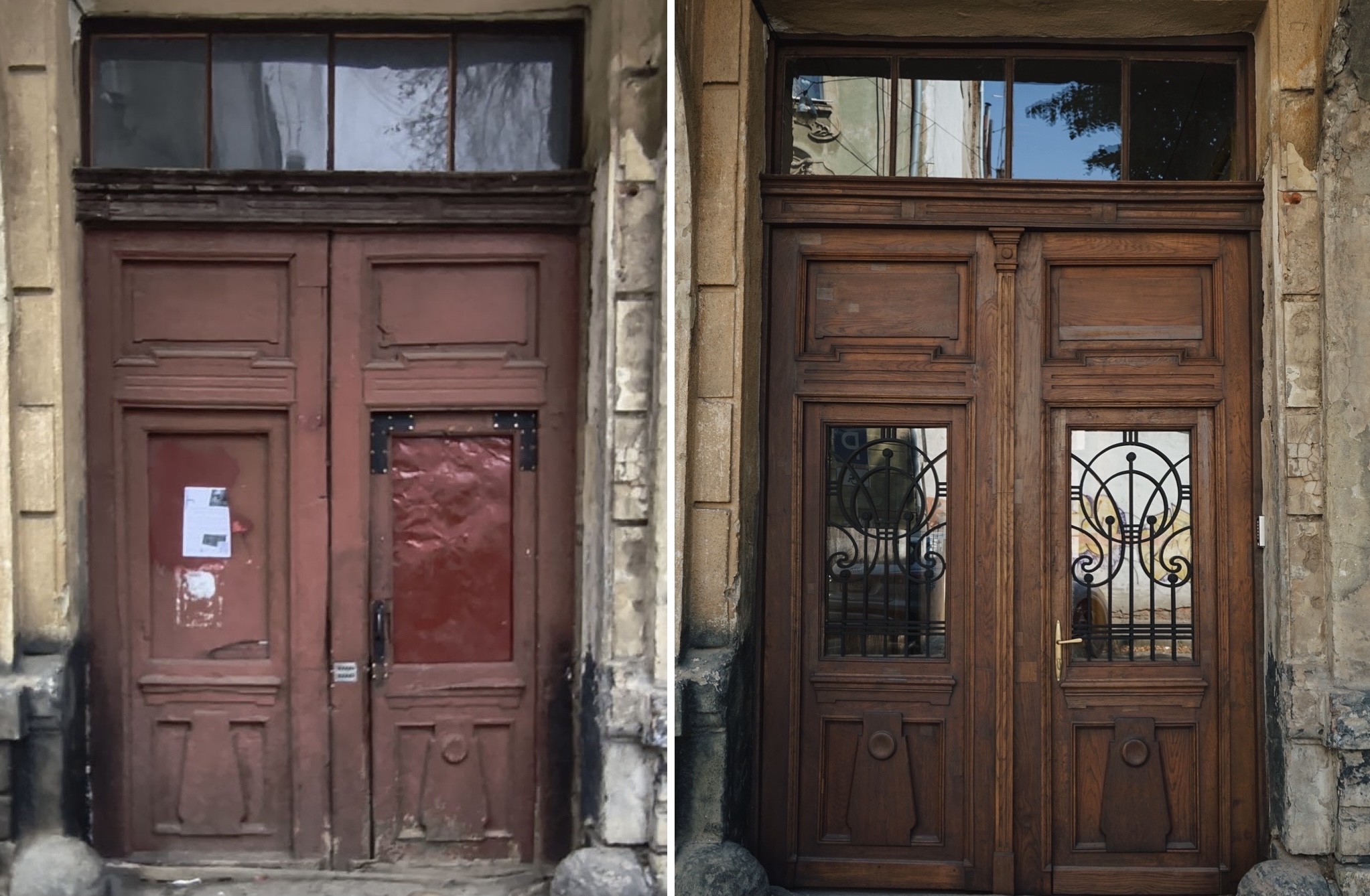
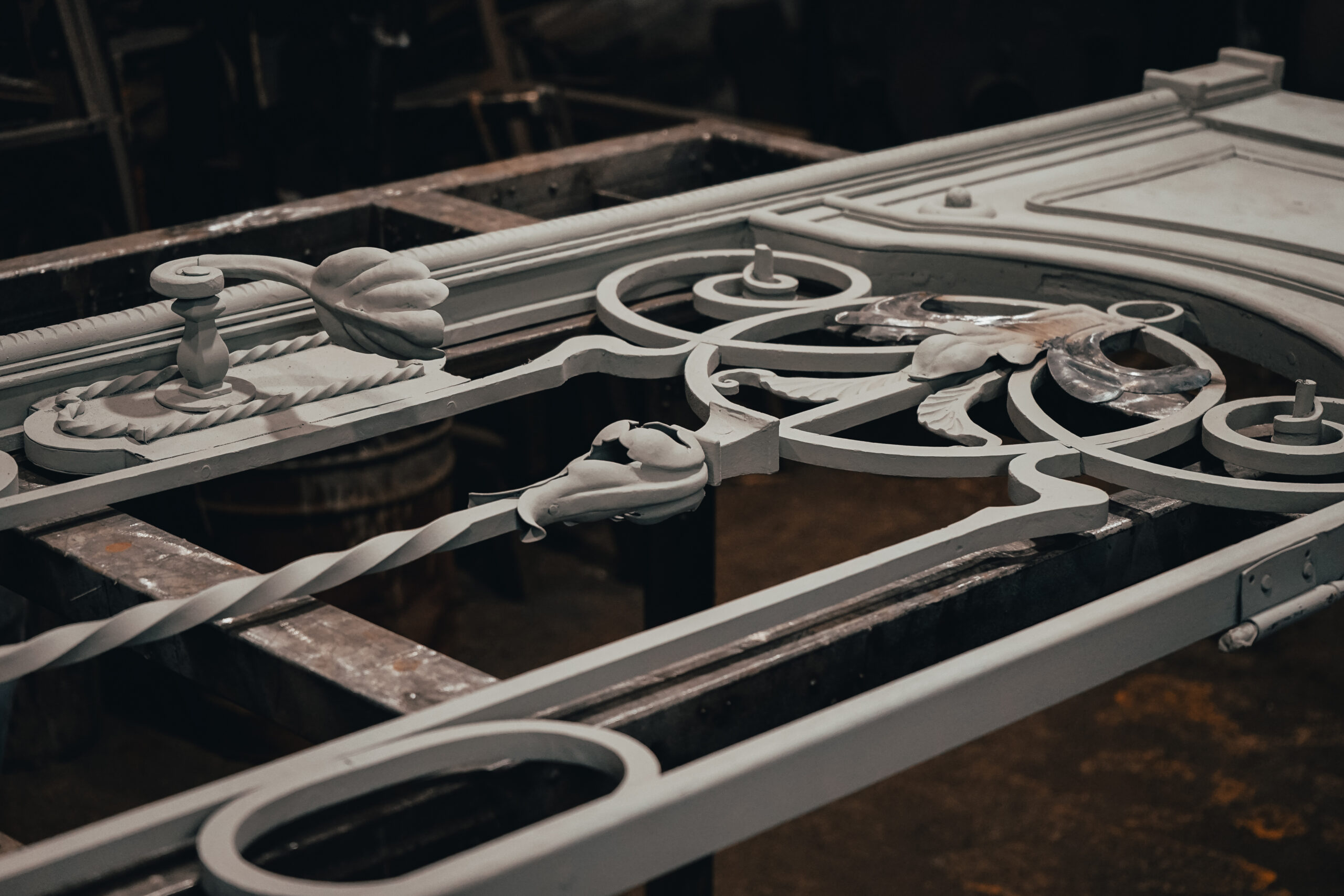
One of the most enchanting events was the “Secession Bouquet” — an architectural and floral walk through restored Secession-style gates and balconies on streets like K. Levytskoho, Rynok Square, and Rudanskoho. Participants learned about floral symbolism in architecture from Stefania Topylko, director of the Heritage Bureau, and at each stop, received a flower to assemble a personalized bouquet. The walk ended with coffee courtesy of Lviv Handmade Chocolate.

Another event that brought together generations was the “Secessionist-Lviv Quiz”, an engaging trivia game for children and adults alike. Teams competed in knowledge of architecture, legends, and Art Nouveau elements, solving visual puzzles and audio clues. The most attentive players received gifts from partners, including certificates, sweets, and entry to future events.

The final day began with the opening of a student exhibition by the Department of Urban Planning at Lviv Polytechnic. Students presented graphic interpretations of Secession architecture, offering a modern perspective on historical forms and motifs.
The celebration concluded with a special guided tour of the Art Nouveau interiors of the Ivan Franko National University Library on Drahomanova Street. Historian and archivist Vasyl Kmet led participants through hidden murals, decorative symbols, and architectural compositions — helping them see the familiar space in a new light.
These five days of Secession in Lviv became more than a celebration of a visual style. They were a living conversation about heritage — one that unites people, generations, disciplines, and times. Lviv didn’t just rediscover Art Nouveau — it showed that this heritage is still alive in the city: in forms, colors, sounds, tastes, and meanings.