Art Nouveau, known as “new art”, was an artistic style that arose in the late 19th – early 20th centuries. His specialty was the rejection of traditional forms and the search for a new stylistic solution. Its representatives reproduced elements of nature, used motifs of folk architecture and were fascinated by Japanese art and its simplicity and minimalism.
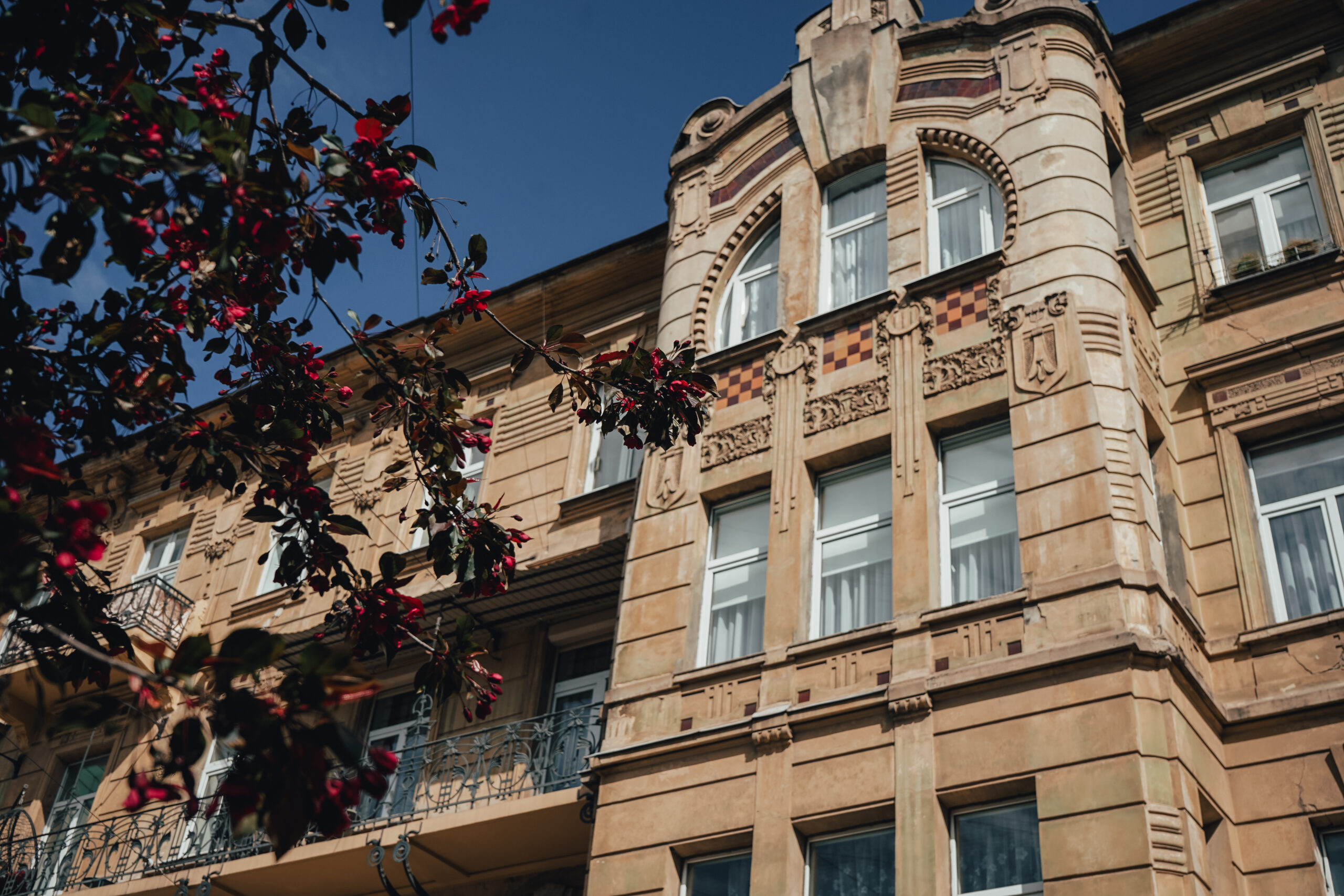
At the end of the 19th – at the beginning of the 20th century. Lviv experienced a rise, becoming the center of Halychyna and Lodomeria as part of the Austro-Hungarian Empire. The city was actively developing, defensive walls were replaced by new residential areas, and oil fields and educational institutions attracted foreign investments. This led to a building boom in which a new architectural style, Art Nouveau (known as Art Nouveau), reflected both European and local trends.
This style combined new engineering and planning solutions, soft lines, floral motifs, as well as the use of new materials, which became a characteristic feature of Art Nouveau. It was this style that first exalted (placed) crafts such as furniture and fabric making to the same level of importance as painting and culture.
Proponents of art nouveau sought to create harmony in all areas of human life. According to their beliefs, the house (both outside and inside), furniture, interior items and household appliances should correspond to the same style. At first, Art Nouveau was characterized by excessive decorativeness. Subsequently, it was decided that the form of the object should correspond to its function without unnecessary details.
Smooth and asymmetrical lines
Art Nouveau aesthetics take ideas from the plant world, insects and natural landscapes. Architectural projects oppose standard geometric forms in favor of smooth curves, rhythmicity and unobtrusive asymmetry to convey natural harmony. Asymmetric lines add an element of organicity, and repetition of patterns creates a sense of movement that gives the structure a living character.
Organic motifs
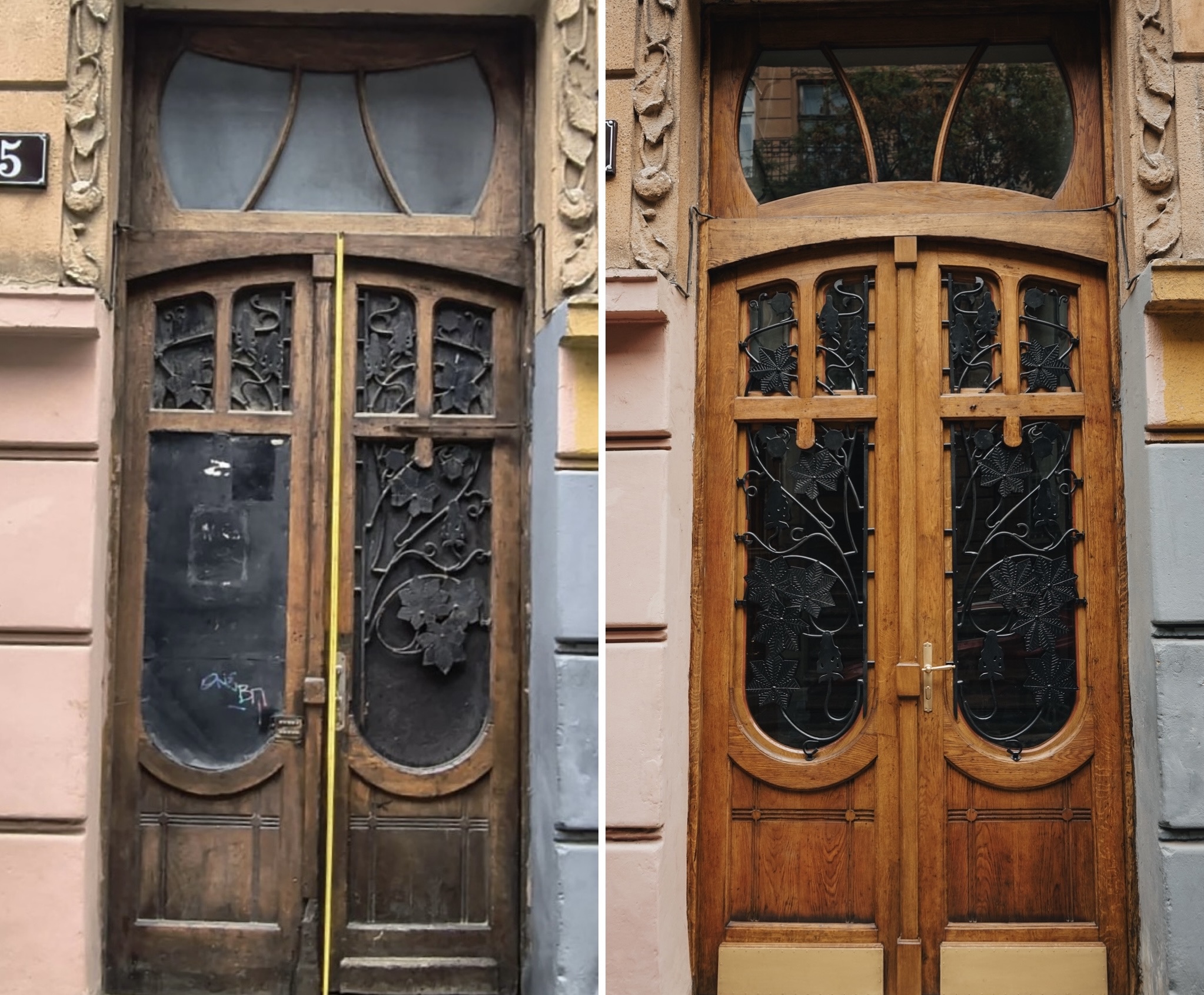
Recurring motifs or patterns include depictions of organic forms such as flower buds, plant stems, vines, insects, female figures (young, graceful figures) with wavy lines of hair and clothing. These motifs are visible in relief carvings, ironwork, tiles and paintings.
Wide combination of materials
With access to the new technologies of the Industrial Revolution, Art Nouveau architects could use a wide combination of materials such as iron, glass, concrete, wood, and ceramics to create free-form forms inspired by nature.
Sculptural concrete and metal products
The symbol of style became the whimsical forms of the cyclamen flower, water plants: irises, lilies, algae. Stylized plant forms with gently curved, moving flat lines are devoid of shadows, so they had nothing to do with naturalism and historicism. Intricate cast iron gates, railings and balconies traditionally feature vine patterns and asymmetrical balusters.
Color palette
Art Nouveau draws inspiration from the palette of colors already provided by nature. Architects and designers have traditionally used green and brown as the basis of their designs and accented with rich precious tones such as green, indigo, yellow and purple.
Folding windows and stained glass windows
Many Art Nouveau buildings also used stained glass or decorative windows. These windows often depicted scenes of nature or abstract forms based on the shapes of flowers and climbing plants.
On the basis of curved lines, a concept of continuous space was developed, which combined the idea of utilitarianism of architectural structures, furniture, everyday objects with their plant-mythological decor and material processing technology. This became the basis of the Art Nouveau style — the new style combined rational functionality with the fantastic, symbolic, mystical decor.
Матеріали: Бюро спадщини, Центр міської історії, Фотографії старого Львова/Materials: Heritage Bureau, City History Center, Photographs of old Lviv.